Every day, millions of people encounter small charges that seem harmless in isolation but add up to a formidable financial burden. From subscription services renewing without notice to overdraft penalties lurking in bank statements, these hidden fees quietly erode savings and push households toward debt.
In a world where national deficits soar and personal borrowing climbs higher, unmasking these fees has never been more critical. This article explores the mechanisms of these traps and offers actionable steps to reclaim control.
The Silent Money Leaks: Subscription Creep
Subscription services have revolutionized convenience, but they also harbor a silent drain on household budgets. The average American spends average American spends $90–$219 per month on streaming, software, and specialty apps.
Most users underestimate their commitments, with 12 active subscriptions per person running in the background. Even forgotten trials often auto-convert into paid plans, leading to $17 per month wasted on unused or overlooked services.
In 2026, streaming alone costs households $69 per month per household after inflation-driven price hikes. Across all categories, consumers can see unused forgotten subscriptions costing hundreds yearly without realizing the loss until budgets tighten.
Overdraft Fees and Delivery App Charges
Bank penalties and delivery app add-ons compound these losses. Overdraft fees range from $27 to $35 per incident, and some banks banks reorder transactions to trigger fees, stacking charges against unsuspecting customers.
Delivery platforms tack on service and delivery surcharges of 20–40% extra in delivery fees, transforming a simple meal order into a costly convenience. These surprise expenses can push accounts into negative territory, triggering more penalties and a vicious cycle of borrowing.
Hidden Fees Amid Macro Debt Pressures
These personal traps exist against a backdrop of soaring national borrowing. The U.S. federal deficit reached $1.9 trillion in FY2026, pushing debt held by public at 101% of GDP. Interest payments alone now exceed a trillion dollars annually.
In the first nine weeks of FY2026, the government spent interest payments exceed $11 billion weekly, consuming 15% of federal outlays. By 2036, net interest outlays could climb to 4.6% of GDP, compounding the strain on public coffers.
Global forecasts predict governments and corporations will borrow $29 trillion in 2026, a 17% jump. High delinquency rates in both personal and public spheres signal an urgent need to address these cycles before they spiral further.
Practical Steps to Unmask Hidden Fees and Escape Debt Traps
Individuals can take decisive action to stem the flow of unseen charges and protect their financial wellbeing. Consistent review and smart tools empower proactive management.
- Review the last three to six months of bank and credit statements to identify recurring charges.
- Use free budgeting apps or email filters for billing alerts to spot auto-renewals instantly.
- Cancel or pause unused subscriptions, including trial conversions.
- Switch to zero-fee banks or accounts with no overdraft penalties.
- Track monthly subscription spend with simple notes or dedicated budgeting tools.
- Review and adjust spending quarterly to reclaim $200–$1,000+ yearly.
Collective Solutions and Advocacy
Beyond personal effort, communities and policymakers must demand transparency and accountability from service providers. Enhanced competition and enforcement can drive down hidden costs industry-wide.
- Encourage regulators to mandate clear fee disclosures before purchase.
- Promote transparency tools that rank service providers by total cost.
- Support consumer advocacy groups in challenging unfair banking and subscription practices.
- Lobby for trial period safeguards to require explicit opt-in renewals.
Embracing Financial Freedom
Hidden fees thrive on our inattention. By illuminating every charge and demanding clear terms, we can dismantle these covert drains. In a climate of rising household debt and record public deficits, personal vigilance becomes an act of resilience.
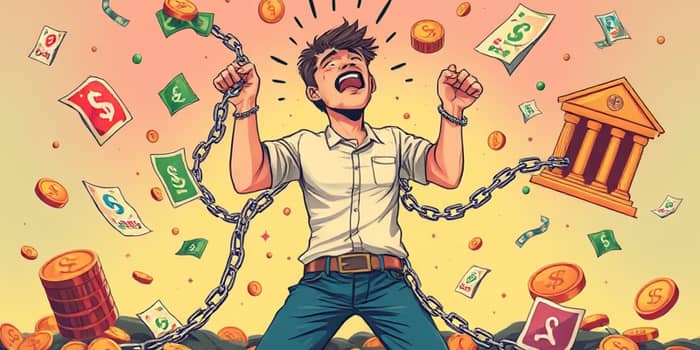
Take action today: audit your statements, cancel what you don’t use, and advocate for broader reforms. With knowledge and persistence, you can break free from the chains of hidden costs and take control of your financial future.
References
- https://www.youtube.com/watch?v=7Sh3TcstTQo
- https://www.crfb.org/press-releases/cbo-estimates-696-billion-deficit-first-four-months-fy-2026
- https://fortune.com/2025/12/04/national-debt-interest-payments-fiscal-year-2026/
- https://www.cbo.gov/publication/62105
- https://www.newyorkfed.org/newsevents/news/research/2026/20260210
- https://aswathdamodaran.substack.com/p/data-update-7-for-2026-debt-and-taxes
- https://www.moneytalksnews.com/expenses-that-threaten-to-drain-your-wallet-in-with-prices-rising-up-to/
- https://formatresearch.com/en/2026/03/04/OECD-Global-Debt-Report-2026/
- https://www.csis.org/analysis/breaking-debt-trap-why-spending-smarter-beats-spending-more
- https://discoveryalert.com.au/debt-trap-risks-advanced-economies-2026/
- https://tcf.org/content/report/trumps-student-loan-delinquency-crisis-unmasked/