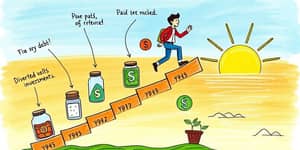
In today’s fast-paced world, consumer debt has become an obstacle for countless Americans striving for financial peace. With total U.S. consumer debt approaching $18.8 trillion, the burden weighs heavily on individuals and families. Yet, by embracing proven strategies and adopting a resilient mindset, it’s possible to break free from this cycle and journey toward lasting wealth.
Understanding the Burden of Consumer Debt
Consumer debt in the United States has surged in recent years, driven by mortgages, auto loans, student loans, and credit cards. Mortgage debt alone accounts for 74 percent of total consumer liabilities, while non-mortgage debt stands at nearly $4.74 trillion.
Breaking down non-mortgage balances reveals the true complexity of the challenge:
The consequences of carrying high debt loads extend beyond numbers. Serious delinquency rates are rising in several categories, with student loans reaching a dramatic 16.19 percent and mortgages climbing to 1.38 percent. These figures point to families under pressure, seeking relief and stability.
Reframing Your Financial Mindset
Before crafting a repayment plan, it’s essential to cultivate a mindset geared toward long-term success. Here’s how to align your thinking:
- Shift from a consumer-focused mentality to a saver’s perspective.
- Recognize debt as a temporary hurdle, not a permanent state.
- Commit to continuous learning about personal finance principles.
By understanding that financial freedom is a journey rather than an endpoint, you’ll stay motivated even when progress feels slow.
Strategies to Eliminate Debt Faster
Transforming your financial life requires a comprehensive debt repayment strategy. These methods have helped millions reduce balances and reclaim control over their future.
- Snowball Method: Pay off the smallest balances first, then roll those payments into larger debts to build momentum.
- Avalanche Method: Target highest-interest debts first, minimizing the total interest paid over time.
- Debt Consolidation: Combine multiple high-interest debts into one lower-interest loan or balance-transfer credit card.
- Biweekly Payments: Divide monthly payments in half and pay every two weeks, resulting in one extra payment per year.
Choose the method that resonates best with your personality and financial circumstances. Consistency matters more than perfection.
Creating a Sustainable Budget
A realistic spending plan empowers you to allocate funds strategically. To design a budget that works:
- List all sources of income and categorize every expense.
- Identify non-essential spending—dining out, streaming services, impulse purchases—and trim judiciously.
- Allocate a specific portion of income directly to debt reduction each month.
Remember, a budget isn’t about deprivation; it’s about maximizing every dollar’s potential and finding balance between needs and wants.
Boosting Income and Accelerating Progress
While cutting costs is crucial, increasing your income can dramatically shorten your journey. Consider these approaches:
- Freelance work or side gigs leveraging your existing skills.
- Negotiating a raise or exploring new job opportunities.
- Selling unused items around the home for extra cash.
Even modest additional earnings, when dedicated to debt reduction, can compound into significant savings over time.
Building Sustainable Prosperity
Once debt balances reach manageable levels, the focus shifts to wealth creation and protection. Establishing an emergency fund—typically three to six months of expenses—creates a safety net against unexpected challenges.
Long-term prosperity also hinges on disciplined investing. By channeling freed-up cash flow into retirement accounts, index funds, or real estate, you secure a future powered by passive income streams, rather than revolving credit.
Maintaining Momentum and Celebrating Milestones
Clearing debt can feel like an uphill climb, but each milestone deserves recognition. Whether it’s paying off a credit card or reaching a 50 percent reduction in total balances, celebrate these wins. Tracking progress visually—through charts or apps—reinforces positive behavioral changes and nourishes your commitment.
Involvement in supportive communities—online forums or local meetups—provides accountability and inspiration. Sharing strategies and success stories can uplift you during challenging phases.
Conclusion: Embrace Your Journey to Freedom
Living without consumer debt is more than a financial goal; it’s a transformative life mission. By understanding the weight of modern debt burdens, reframing your mindset, deploying targeted payoff strategies, and committing to sustainable habits, you can break free from the chains of high-interest liabilities.
Every step you take—no matter how small—brings you closer to a future defined by empowerment, security, and genuine prosperity. Start today. Craft your plan, rally your resources, and embark on a path that leads not just to financial relief, but to lasting freedom.
References
- https://www.equifax.com/newsroom/all-news/-/story/january-2026-u-s-national-consumer-credit-trends-report/
- https://www.lendingtree.com/credit-cards/study/credit-card-debt-statistics/
- https://www.newyorkfed.org/newsevents/news/research/2026/20260210
- https://www.federalreserve.gov/releases/g19/
- https://www.newyorkfed.org/microeconomics/hhdc
- https://www.turbodebt.com/money-management/consumer-debt-report