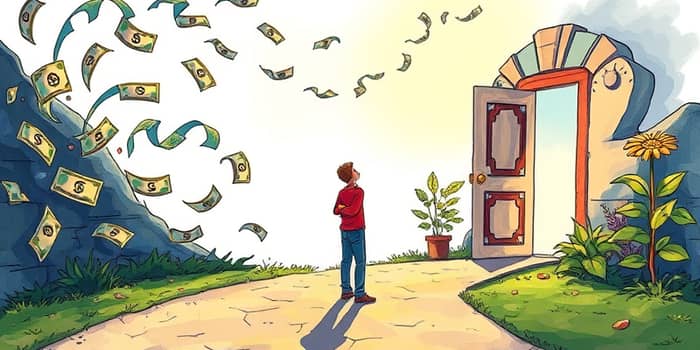
In a world where borrowing is often framed as a simple good-versus-bad choice, the reality of debt is far more nuanced. This article challenges the conventional wisdom around “good” debt, explores practical strategies for managing all forms of borrowing, and offers inspiration for reclaiming control of your financial future.
The journey begins with understanding why so many of us feel trapped by our obligations—and how a fresh perspective can spark genuine transformation.
Understanding the Illusion of 'Good' Debt
Traditional definitions describe “good debt” as borrowing that helps build your net worth or generate future income at a low interest rate debt. Mortgages, student loans, and business financing often carry this label because they seem to increase long-term value.
Conversely, “bad debt” includes high-interest credit cards, payday loans, and borrowing for depreciating assets. Yet labeling debt as purely good or bad can obscure the most important question: can you repay responsibly?
- Good debt: Mortgages, student loans, business loans
- Bad debt: High-interest credit cards, payday loans
- Gray area: Auto loans, personal lines of credit
Reframing Your Relationship with Borrowing
When the average American adult owes more than average American adult owes $105,000, it’s clear that many of us carry more than just financial weight. Debt can feel like an anchor, but it doesn’t have to define your story.
Start by asking: What narrative am I telling myself about debt? Are you using it as a shield against taking tough budgeting steps? Or as a crutch that delays transformative habits?
By reframing your mindset, you can see borrowing as a tool rather than a trap—and then decide consciously when to wield it.
Examples of Debt in Real Life
Not all borrowing is created equal. The same instrument can serve you well or pull you under depending on context, timing, and discipline.
- Mortgages: Historically appreciated over decades, with potential tax benefits.
- Student Loans: Investment in skills that may boost lifetime earnings.
- Auto Loans: Can be a stepping stone to employment or a burden if rates spike.
- Credit Cards: High APRs punish balances carried month to month.
- Payday Loans: Short-term relief with long-term cost traps.
Strategies to Break Free
Debt management isn’t about quick fixes or extreme austerity. It’s about adopting sustainable habits that align with your values and goals.
Consider these proven approaches:
- High-interest bad debt first: Target credit cards or payday loans with high APRs.
- The Avalanche Method: Prioritize debts by interest rate to minimize total cost.
- The Snowball Method: Clear small balances first to build momentum.
- emergency fund of even $500: Protect against surprise expenses.
- Debt consolidation: Combine multiple debts into a lower-rate loan.
Choosing the Right Payoff Plan
No single strategy fits everyone. Your personality, cash flow, and emotional triggers matter. The Avalanche Method saves on interest, while the Snowball Method fuels motivation with quick wins.
Building Sustainable Habits for Lasting Change
Debt repayment is a marathon, not a sprint. Alongside targeted payoff tactics, cultivate practices that reinforce long-term freedom.
• Create a realistic, detailed budget and track every dollar.
• Automate regular payments to avoid missed due dates.
• Negotiate with lenders: Loyalty and consistent on-time payments can unlock lower rates.
• Monitor your credit mix and utilization to support healthy scores.
Maintaining strong financial health also means cultivating an emergency fund of even $500 and developing responsible credit use habits.
Key Principles for Your Financial Journey
Reconsidering debt is not a once-and-done exercise—it’s an ongoing commitment to make choices that serve your future self.
Remember:
- Focus on paying down the highest-cost obligations first.
- Maintain strict financial discipline through budgeting.
- Protect your stability with an emergency fund.
- Use credit as a strategic tool, not a crutch.
By demystifying the concept of “good” versus “bad” debt and embracing actionable strategies, you can transform borrowing from a source of stress into a controlled lever for growth. Empowered with clarity and commitment, your next steps will build not just debt freedom, but lasting financial resilience.
References
- https://www.equifax.com/personal/education/credit/report/articles/-/learn/understanding-credit-good-debt-vs-bad-debt/
- https://www.amerantbank.com/ofinterest/debt-management-strategies-for-financial-freedom-2025/
- https://www.schwab.com/learn/story/good-debt-vs-bad-debt-wellness-screening
- https://www.westernsouthern.com/personal-finance/managing-debt
- https://www.fidelity.com/learning-center/smart-money/good-debt-vs-bad-debt
- https://www.columbiacu.org/2025/04/smart-debt-management-how-to-stay-in-control/
- https://www.schwabmoneywise.com/essentials/good-debt-vs-bad-debt
- https://blog.harvardfcu.org/how-to-stay-financially-healthy-tips-for-managing-debt-in-2025
- https://www.usbank.com/wealth-management/financial-perspectives/financial-planning/financial-leverage-what-is-good-debt-vs-bad-debt.html
- https://valexfcu.org/mastering-debt-management-strategies-stay-top
- https://www.ameriprise.com/financial-goals-priorities/personal-finance/effective-debt-management
- https://extension.wvu.edu/youth-family/finances/blog/2025/04/01/smart-strategies-for-effective-debt-management
- https://dfpi.ca.gov/news/insights/three-steps-to-managing-and-getting-out-of-debt/
- https://www.cfp.net/news/2024/12/reducing-debt-is-americans-no-1-financial-priority-for-2025-cfp-board-research-finds
- https://bridgeforce.com/insights/debt-collection-trends-reshaping-2025-strategies/