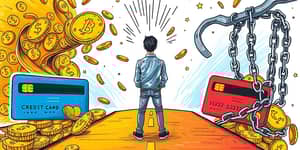
Every day, well-intentioned offers lure us into free trials and low-cost services that quietly transform into recurring payments. These schemes, known as subscription traps, prey on our trust and our busy lives. By shining a light on their tactics and arming ourselves with knowledge, we can break free from this cycle and reclaim our financial well-being.
Understanding Subscription Traps
At their core, subscription traps rely on relentless auto-renewal subscription tactics and hidden fees and renewal traps that catch consumers off guard. A deceptively cheap trial or a pre-checked box can bind you to months of charges if you don’t cancel in time. Developers and merchants often bury renewal clauses in dense terms or present buttons that imply mere confirmation rather than commitment.
These dark patterns exploit human behavior: we scan quickly, assume transparency, and forget to revisit small print. Whether it’s a 50¢ QR code that turns into €50 monthly or a free club membership that auto-debits without warning, the results are the same—unexpected bills and frustration.
The Real Cost to Consumers
As subscriptions proliferate, so does consumer fatigue. The average person now juggles between 8.2 and 15 active subscriptions, spending roughly $118 per month—or $1,416 per year. This steady drain can silently erode savings and breed anxiety about unexpected charges.
Recent data reveals startling trends:
- Over half of consumers track their subscription spend, yet 37% still overspend due to rising prices.
- Half of all subscribers cancel at least one service within six months, and 39% plan more cuts in the coming year.
- Billing errors drive 23% of cancellations, while monthly plans see a 12% reactivation rate compared to 6% for yearly plans.
These figures highlight an exhausting cycle of unnoticed charges that can leave even diligent budgeters feeling trapped.
Legal and Regulatory Safeguards
Recognizing the surge in complaints—up 77% in some EU regions—regulators have stepped in to curb unfair practices. Under current EU and UK rules, any attempt to conceal renewal terms or bury subscription details can lead to sanctions and fines. Businesses must provide a clear statement of consumer obligations and avoid pre-checked boxes.
Proposed reforms aim to enforce explicit opt-in for all auto-renewal offers and trials, introduce one-click cancellation across platforms, and eliminate proactive subscription management strategies that discourage exit. Consumers can also send a registered letter demanding contract termination or reimbursement, using model letters provided by consumer protection agencies.
Industry Trends and Business Perspectives
The subscription economy now exceeds $170 billion in annual revenue. Companies are experimenting with flexible pricing models—weekly passes, micro-subscriptions, and premium tiers—to combat churn. While short free trials once dominated acquisition strategies, businesses now rely on micro-subs and introductory discounts to balance growth with customer satisfaction.
Key trends shaping 2026 include:
- Premium annual plans generating 50–60% more revenue per user than monthly plans.
- Weekly pricing tiers at $4.99 gaining traction among younger demographics.
- Integration of AI-driven usage analytics to personalize offers and identify cancellation risks.
Empowering Yourself: Prevention Tips and Tools
Breaking free from subscription traps starts with awareness and action. By cultivating healthy habits, you can take control of your recurring expenses and avoid falling prey to deceptive tactics.
- Review terms and conditions: Never accept offers with pre-checked boxes and read the fine print carefully.
- Set calendar reminders: Schedule cancellation deadlines immediately after signing up for trials or promotions.
- Use subscription-tracking apps: Tools like Subaio or Truebill alert you to new charges and upcoming renewals.
- Document cancellation requests: Send registered letters when disputing unauthorized fees and save all correspondence.
With these strategies, you can navigate cancellation hurdles with confidence and secure your financial peace of mind.
Conclusion
Subscription traps thrive on confusion and inertia, but they need not dominate your financial life. By understanding their tactics, staying informed about regulations, and adopting simple management practices, you can shield yourself from unnecessary fees and regain control over your budget. The path to freedom begins with one empowered decision: to read, act, and never let hidden clauses dictate your spending.
References
- https://www.europe-consommateurs.eu/en/shopping-internet/internet-fraud-and-scams/subscription-traps.html
- https://whop.com/blog/subscription-statistics/
- https://wearecitizensadvice.org.uk/subscription-traps-enough-is-enough-e475bd221c1f
- https://adapty.io/blog/9-subscription-trends-dominating-2025/
- https://www.finextra.com/blogposting/20502/what-is-subscription-trap
- https://www.youtube.com/watch?v=4q4FDmCqnJg
- https://sketchplanations.com/the-subscription-trap
- https://www.morningstar.com/news/business-wire/20260114492821/subscriptions-are-entering-a-smarter-more-mature-era
- https://subaio.com/subaio-explained/what-are-subscription-traps-and-how-can-subaio-protect-you-against-them
- https://recurly.com/blog/the-2026-state-of-subscriptions-is-coming/
- https://ec.europa.eu/newsroom/just/redirection/document/43762
- https://www.referralcandy.com/blog/subscription-analytics-ecommerce-the-complete-2026-guide-to-data-driven-growth
- https://www.ukecc.net/news-publications/subscription-trap-complaints-rise-77
- https://www.baytechconsulting.com/blog/subscription-economy-2026
- https://recurly.com/resources/report/state-of-subscriptions/