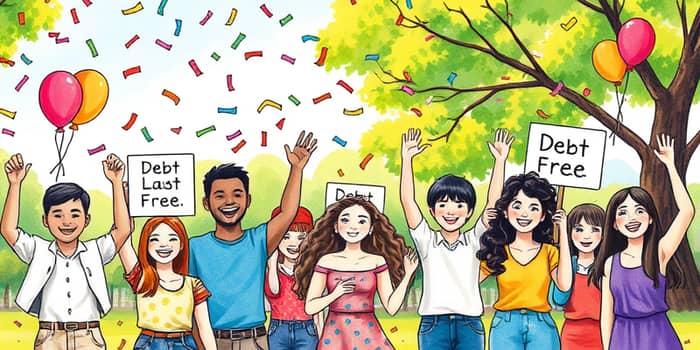
In today's economic climate, financial success is being redefined in powerful ways.
74% of Americans now define financial success as achieving debt-free living.
This milestone has surpassed traditional goals like homeownership or marriage in priority.
It reflects a deep cultural shift towards valuing stability and freedom over material accumulation.
With household debt soaring to unprecedented levels, this new perspective offers hope and clarity.
Financial stress affects a staggering 68% of Americans, up from 50% just a year ago.
Only 39% feel more financially successful than they did five years ago.
This underscores the urgent need for change and celebration of small victories.
The Debt Crisis Context
Understanding the scale of debt is crucial for appreciating the journey to freedom.
U.S. household debt has reached a staggering $18.6 trillion, including $1.2 trillion in credit card debt alone.
The cost of living has risen by 26% since 2020, with groceries and housing up by nearly 30%.
These numbers paint a grim picture of everyday financial pressures.
Many Americans are struggling to keep up with basic expenses and emergencies.
- 25% cannot cover a $2,000 emergency expense, up from 19% in 2024.
- 36% of Gen X are particularly affected by this lack of emergency savings.
- 58% use Buy Now Pay Later services, with Gen Z at 79% and Millennials at 68%.
This reliance on credit highlights the cycle of debt that many face.
Daniel Brown, EVP at KeyBank, notes that the measure of success is evolving towards debt-free living.
He calls it "the new luxury" in an era of rising costs and uncertainty.
Financial mobility surveys show that 35% feel in control or proud of their money management.
This indicates a growing awareness and desire for better financial habits.
Paths to Debt-Free Victory
Achieving debt-free status requires practical strategies and consistent effort.
Many have found success through structured plans and community support.
Common approaches include debt management plans, budgeting, and financial education.
- Debt Management Plans (DMPs) consolidate payments at lower interest rates, often around 8%.
- Automating payments ensures consistency and avoids missed deadlines.
- Budgeting helps track expenses and identify areas for savings.
- Extra payments from windfalls like tax returns accelerate payoff timelines.
- Seeking counseling from nonprofits provides guidance without high fees.
These strategies transform overwhelming debt into manageable steps.
Financial education builds long-term literacy and prevents future debt cycles.
Habits like cutting non-essential expenses and tracking progress are key.
They foster a sense of control and momentum on the journey.
Nonprofit organizations like GreenPath, ACCC, and MMI offer valuable resources.
They help individuals navigate debt with compassion and expertise.
Real-Life Celebrations
Real stories of debt-free achievement inspire and provide tangible proof of possibility.
These journeys highlight the emotional and practical benefits of becoming debt-free.
These examples show that rapid progress is achievable with the right plan.
Stories like Sharise N., who paid off $14,194 in 13 months, emphasize hope.
Her journey involved debt consolidation after a family job loss.
It reduced stress and provided emotional support during tough times.
Annemie L., an ex-teacher, paid off $73,020 in less than a year.
Her payments dropped from $2,000 to $1,200 monthly, offering renewed hope.
These victories demonstrate that debt-free living is within reach for everyone.
Milestones and Celebration Ideas
Celebrating financial victories is essential for maintaining motivation and joy.
Emotional wins include reduced stress, regained control, and a sense of pride.
Practical next steps involve building emergency funds and focusing on retirement.
- Create a debt-free party with friends and family to mark the achievement.
- Set up an emergency fund with at least $1,000 to prevent future debt.
- Invest in retirement accounts to secure long-term financial health.
- Use apps to track progress and celebrate small milestones along the way.
- Share your story to inspire others and build a supportive community.
21% prioritize paying down debt as their top financial resolution for 2025.
This shows a collective commitment to financial wellness.
Tips for celebration include avoiding high-fee traps and seeking nonprofit help.
Organizations like InCharge and Beyond Finance offer structured plans.
They guide individuals towards sustainable debt-free living.
Celebrations can be simple, like a special meal or a day off.
The key is to acknowledge the hard work and progress made.
Future Outlook
Looking ahead, debt-free living represents resilience and hope in uncertain times.
As costs continue to rise, this milestone becomes even more valuable.
It offers a path to financial peace and independence.
Debt-free is the new luxury, providing freedom from constant worry.
Surveys indicate that 53% are deprioritizing experiences to focus on debt payoff.
Yet, 55% still view homeownership as key to success, showing balanced goals.
The future calls for continued progress and community support.
- Track your debt payoff journey with regular check-ins and adjustments.
- Seek out financial education resources to build lasting literacy.
- Engage with nonprofits for affordable counseling and plan development.
- Stay motivated by remembering the emotional benefits of debt-free living.
- Plan for future financial goals beyond debt, like travel or education.
This approach ensures that financial victories are not just endpoints but new beginnings.
By embracing these strategies, anyone can transform their financial story.
Let this be a call to action to start or continue your path to debt freedom.
Celebrate every step, and remember that hope is never lost.
References
- https://money.com/americans-define-financial-success/
- https://www.greenpath.com/client-stories/a-debt-management-success-story/
- https://rbj.net/2025/11/11/keybank-financial-mobility-survey-2025/
- https://www.consumercredit.com/about-us/client-stories/conquering-credit-card-debt-with-accc-samanthas-success/
- https://coloradobiz.com/americans-debt-free-financial-success-survey/
- https://www.moneymanagement.org/iimproving-lives/stories/kathy-d
- https://www.prnewswire.com/news-releases/is-debt-free-the-new-luxury-keybank-survey-explores-302606087.html
- https://www.incharge.org/debt-relief/credit-counseling/success-stories/
- https://current.com/blog/what-financial-resolutions-should-you-be-making-for-2026/
- https://www.accrediteddebtrelief.com/blog/5-debt-success-stories-how-real-people-paid-off-thousands-in-debt-through-debt-consolidation/
- https://www.key.com/personal/financial-wellness/articles/how-americans-are-redefining-financial-success.html
- https://michellewhitley.com/blog/our-debt-free-journey/
- https://creditcounselingcenter.org/jennifers-success-story-paid-off-30000-in-debt/
- https://komonews.com/news/consumer/success-stories-show-how-credit-counseling-helps-americans-conquer-overwhelming-debt
- https://www.stepchange.org/about-us/our-clients-stories.aspx