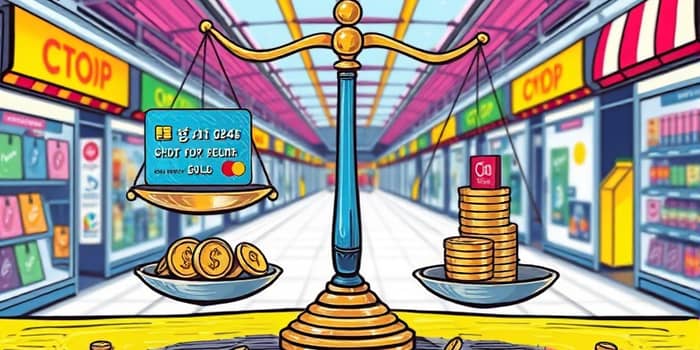
Every time you tap a card or click “pay,” there’s more at stake than just the purchase amount. Modern payments promise speed and ease, yet hidden fees on every purchase can quietly chip away at your budget and your business’s bottom line.
From corner shops to global eCommerce platforms, merchants and consumers alike bear these costs. As volumes grow—credit card transactions are set to hit $4 trillion in 2026—understanding the true price of convenience becomes essential to stop fees eating into your earnings and consumer wallets alike.
Merchant Processing Fee Breakdown
Every card transaction carries three core components:
- Interchange: Fees paid to the card-issuing bank, averaging 1.80% in the US.
- Assessments: Network charges for Visa or Mastercard, typically 0.12–0.13%.
- Processor markup: The margin added by payment processors, around 0.20–0.35% plus per–transaction fees.
On a $100 sale, these can total $2.18, an effective rate of 2.18%. For small businesses, losing 2-4% of every sale equates to thousands of dollars per year; high-volume merchants may face six- or seven-figure losses.
Detailed 2026 Interchange Insights
As card adoption grows, so do category-specific rates. A rewards credit card or a travel booking often carries higher interchange than a basic debit swipe. In-person transactions average 1.70%, online 1.90%—overall 1.80% in the US. Sectors like healthcare, fuel, grocery, and B2B each have unique rate schedules, reflecting risk and data sophistication.
For example, a supermarket debit swipe may cost 0.00% + $0.30, while a premium card at a restaurant could be 2.10% + $0.00. Even slight differences—just 0.20% rate change—can add up to palpable savings or losses over hundreds of transactions.
2026 Market Trends and Volumes
With credit volume climbing at 5.6% year-over-year, the payment landscape is under pressure. Merchants invest heavily in fraud prevention and compliance, pushing operating costs higher. The fight over swipe fees has escalated: advocates champion the Credit Card Competition Act (CCCA) to introduce rival networks and reduce interchange, while critics warn of hidden trade-offs.
- Projected $4 trillion in credit transactions by year-end.
- Rising fraud-prevention budgets and compliance costs.
- 10,000+ industry letters urging CCCA passage in 2026.
Transparency remains a challenge. Many businesses simply roll fees into prices, so shoppers may never know how much convenience really costs.
Cost-Reduction Strategies for Merchants and Consumers
Whether you run a small shop or click to buy groceries, there are actionable steps you can take:
- Optimize for in-person EMV/contactless: target 1.97%–2.25% effective rates versus 2.30%–3.00% online.
- Use ACH or bank drafts for high-ticket B2B invoices: flat fees under $1.50.
- Leverage Level II/III data on B2B cards to qualify for lower interchange tiers.
- Benchmark your rates every quarter to catch anomalies early.
- Advocate for regulatory change: support or monitor the CCCA debate.
Consumer Impact and Overpayment Angles
It’s not just merchants who feel the pinch. Businesses often pass fees directly to customers through higher prices or surcharges. Convenience stores, for instance, argue that “swipe fees” drive up snack and fuel costs.
- Does your preferred rewards card justify the merchant’s extra costs?
- Are surcharges clearly disclosed at checkout?
- Will competition from new networks push prices down?
When consumers choose debit, ACH, or cash, they help merchants reduce costs—and may see small price drops over time. Conversely, frequent use of premium credit cards could be inflating everyday prices.
Conclusion: Balancing Ease with Economy
The modern payment ecosystem offers undeniable convenience, but that convenience comes with a price tag. By uncovering hidden costs and making informed choices—whether as a merchant or a shopper—you can reclaim control over your spending. Advocate for transparency, explore alternative payment methods, and stay alert to evolving rates and regulations.
Ultimately, asking "Are you overpaying?" is the first step to ensuring that the benefits of digital transactions aren’t overshadowed by unseen fees. With knowledge, vigilance, and collective action, we can strike a better balance between speed and sustainability in every tap and click.
References
- https://sekuremerchants.com/blog/merchant-processing-fees-what-business-owners-should-focus-on-most-in-2026
- https://allaypay.com/blog/processing/current-interchange-rates-in-the-usa-updated-2026/
- https://www.convenience.org/Media/Daily/2026/March/2/1-Join-the-Fight-Against-Swipe-Fees_GR
- https://www.clearlypayments.com/blog/lower-credit-card-processing-fees-2026/
- https://www.emarketer.com/content/us-consumer-payment-method-trends-2026
- https://www.centime.com/posts/b2b-credit-card-surcharges-in-2026-state-by-state-rules-and-how-to-pass-fees-to-customers-without-damaging-relationships
- https://www.paymath.com/fr/blog/2026-payment-processing-fees-in-the-u-s-what-merchants-really-pay