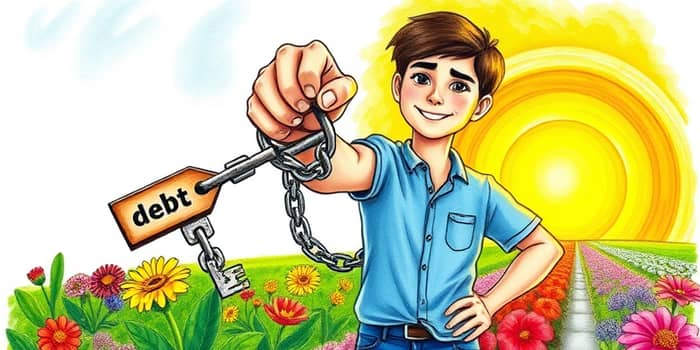
In 2026, debt can feel overwhelming, but with the right approach, you can reclaim control and find serenity.
A clear, effective debt management strategy makes all the difference. This guide offers practical steps to help you move forward without falling further behind.
Start by embracing small, consistent steps that lead to significant change over time.
Understanding Your Debt Landscape
Begin with a personal debt audit to know exactly what you're facing.
List all debts, including balances, interest rates, and due dates for clarity.
In 2026, household debt remains high, but stable delinquency rates show consumer resilience. Awareness is your first tool for change.
Use this table to grasp key 2026 statistics and contextualize your journey.
This data underscores the economic backdrop, but your personal action is what truly matters.
An annual debt reset can help you start strong and stay on track.
Core Repayment Strategies That Work
Building a realistic budget is the backbone of any successful debt plan.
Use the 50/30/20 rule to allocate income wisely and prevent new debt.
- 50% for essentials like housing and groceries.
- 30% for discretionary spending on wants.
- 20% for debt repayment and savings.
This method identifies high-cost debts and tracks progress effectively.
Consider debt consolidation or balance transfers to simplify payments.
Consolidation combines multiple debts into one, often lowering rates and reducing stress.
Balance transfers move high-interest card debt to 0% promo cards, saving money if paid off promptly.
- Watch for fees of 3-5% and ensure you can repay within the promo window.
- These strategies align with expected Fed rate cuts in 2026, easing costs.
Choose methods that fit your financial personality and goals.
Leveraging Technology and Professional Help
In 2026, digital tools and AI revolutionize debt management with efficiency.
AI-driven collections offer a 15-25% higher recovery rate at lower costs.
Credit counseling through certified professionals provides structured plans and negotiation with creditors.
- Debt Management Plans (DMPs) organize repayment into a single payment.
- They negotiate lower rates and fees, making debt more manageable.
- Most consumers who stick with DMPs repay their debt in full.
Proactive approaches like these avoid the stress of reactive collections.
Embrace technology for tracking and predictive insights to stay ahead.
The 2026 Economic Context: Challenges and Opportunities
With inflation at 2.45% and unemployment projected to 4.5%, challenges exist.
Moderating consumer debt growth signals opportunities for those managing finances well.
Federal rate cuts may ease borrowing costs, providing a window for action.
- Focus on stable delinquencies as a sign of consumer strength.
- Avoid ignoring minimum payments, which can lead to collections and credit damage.
- Use economic trends to inform your debt strategy and stay resilient.
Understanding this context helps you navigate risks and seize opportunities.
Long-Term Tactics for Lasting Financial Peace
Achieving financial peace requires a mindset shift towards consistency over quick fixes.
Steady progress over quick fixes reduces stress and regains control.
Protect your credit by making on-time payments and reducing utilization rates.
Avoid extremes like bankruptcy, which can damage credit long-term.
- Practice credit protection through consistent DMP payments.
- Shift your mindset to value long-term health and empowerment.
- Incorporate annual debt resets to review and adjust your approach.
This fosters a sense of lasting peace and financial stability.
Actionable Steps to Start Today
Don't wait to take control; begin with these practical steps immediately.
- Conduct a thorough debt audit and pull free credit reports early in 2026.
- Build a budget using the 50/30/20 rule or a similar method.
- Explore consolidation or balance transfer options if your credit qualifies.
- Consider credit counseling or a DMP for structured, professional help.
- Use digital platforms for tracking and AI tools for proactive management.
- Commit to small, consistent actions that build momentum over time.
Remember, consumers are managing finances reasonably well, and you can too. Start today towards the financial peace you deserve, focusing on empowerment through structure and discipline.
References
- https://www.southeastclientservicesinc.com/blog/effective-debt-management-strategies
- https://www.callan.com/blog/federal-debt-cmas/
- https://newsroom.transunion.com/2026-consumer-credit-forecast/
- https://realinvestmentadvice.com/resources/blog/a-third-of-us-debt-matures-in-2026/
- https://www.prodigaltech.com/blog/debt-collection-industry-trends-for-2026
- https://www.jec.senate.gov/public/index.cfm/republicans/debt-dashboard
- https://moveo.ai/blog/debt-recovery-and-collections-management
- https://www.pinebridge.com/en/insights/2026-fixed-income-outlook
- https://www.consolidatedcredit.org/financial-news/your-2026-debt-reset-the-smartest-ways-to-start-the-year-strong/
- https://www.moodys.com/web/en/us/insights/credit-risk/outlooks/global-structured-finance-2026.html
- https://bridgeforce.com/insights/financial-services-trends-what-leaders-should-watch-in-2026/
- https://fortune.com/2026/01/05/janet-yellen-warns-38-trillion-national-debt-fiscal-dominance-eric-leeper-heather-long/