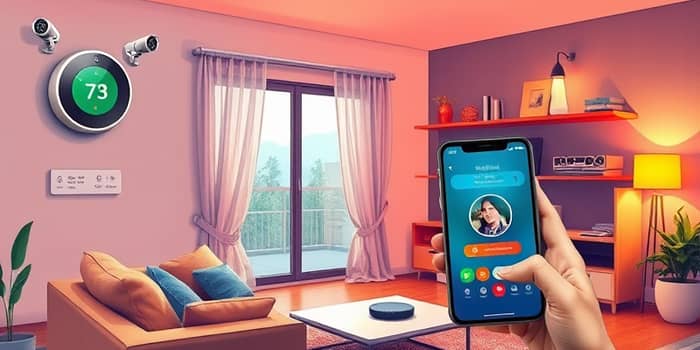
Owning a home today is no longer just about bricks, mortar, and monthly payments. It’s about crafting a living space that adapts to your lifestyle, anticipates your needs, and protects what matters most. In a rapidly digitizing world, global smart home market revenue and adoption curves underscore how this evolution transforms the very notion of homeownership.
The Rise of Smart Home Living
In 2022, the smart home market reached an astounding US$117.60 billion and is projected to grow at 12.47% annually, poised to hit US$222.90 billion by 2027. Today, nearly 20% of homeowners worldwide own at least one smart device, with penetration expected to climb from 14.2% in 2022 to 28.8% by 2027. These numbers reveal more than technology adoption; they reflect a shift in how we perceive comfort, security, and convenience.
From smart speakers that anticipate your morning news briefings to security cameras that alert you in real time, the benefits span every corner of the home. In the United States alone, 93.59 million households are projected to be connected by 2027, with an average spend of US$546.50 per smart home. These devices are not luxuries; they’re becoming essential tools for modern living.
Demographics and Behavior Trends
Understanding who adopts smart technology helps tailor solutions that resonate with diverse needs. Millennials lead the charge, with 47% having installed at least one device and 44% owning multiple. Gen X follows at 33%, while even 24% of those aged 55 and above embrace these upgrades.
Usage patterns further highlight the transformative impact:
- 45% of US internet households own at least one smart speaker.
- 18% of internet households have six or more connected devices.
- 97% of owners report satisfaction, yet 79% harbor privacy concerns.
Such statistics illustrate a tension between convenience and data security, urging homeowners to make informed choices when designing their smart ecosystems.
Making Smart Upgrades Count: Understanding Costs
One of the most pressing questions is cost. Basic DIY setups start around US$100, while a mid-range system integrating multiple devices and basic automation typically runs between US$2,000 and US$6,000. For whole-home custom installations, budgets can climb from US$10,000 up to US$150,000 in luxury builds.
To provide clarity, consider this cost breakdown by system type:
Beyond hardware, remember hidden costs: labor at around US$85 per hour for wiring, monthly subscriptions from US$10 to US$60 for monitoring and software updates, and potential WiFi upgrades to support increased connectivity.
Maximizing Value and ROI
Smart home investments deliver tangible returns. Upgrades can boost resale value by up to 5%, translating into thousands of added equity. A modern, connected home often fetches higher listings, with 78% of buyers prioritizing smart features during their search. From programmable thermostats that optimize energy use to video doorbells that deter package thieves, each device contributes to a smarter, safer living environment.
Calculate your own return on investment by comparing long-term energy savings, enhanced security benefits, and increased property valuations against initial installation and subscription costs. In many regions, rebates and incentives further improve ROI, making smart upgrades more accessible and financially sound.
Addressing Risks and Concerns
No innovation is without challenges. Approximately 40.8% of US households face high security risks from at least one connected device. Privacy worries lead 65% of potential adopters to avoid products that harvest personal data. To navigate these pitfalls, adopt best practices:
- Regularly update firmware and change default passwords.
- Segment your network to isolate critical systems.
- Choose devices with end-to-end encryption and transparent privacy policies.
By proactively managing security, you can enjoy the conveniences of a connected home without compromising your family’s safety or privacy.
Practical Steps to a Smarter Home
Embarking on your smart home journey need not be overwhelming. Follow these actionable steps to ensure success:
- Assess Your Needs: Identify routines and pain points you want to solve.
- Start Small: Install a smart thermostat or a security camera before scaling up.
- Ensure Compatibility: Choose devices that integrate via a common hub or ecosystem.
- Secure Your Network: Invest in a robust router and implement strong passwords.
- Monitor and Adjust: Use app analytics to refine automations and conserve resources.
By phasing your upgrades, you maintain budget control, learn best practices, and gradually build a cohesive, integrated system tailored to your lifestyle.
The Future Beckons
As the global smart home market soars toward US$222.90 billion by 2027, the opportunity to redefine homeownership has never been greater. Smart homes offer more than remote controls—they embody more than just a mortgage, representing an ongoing investment in security, efficiency, and peace of mind.
Whether you’re a first-time homeowner or planning a major renovation, now is the time to embrace intelligent living. Equip your home with devices that learn your habits, adapt to your preferences, and safeguard your loved ones. In doing so, you elevate daily routines into seamless experiences, turning a house into a truly transformative home.
Your journey to a smarter, safer, and more connected abode begins today. Embrace the possibilities, manage the challenges, and reap the rewards of a home designed for the future.
References
- https://scoop.market.us/smart-home-statistics/
- https://www.sofi.com/learn/content/how-much-do-smart-homes-cost/
- https://electroiq.com/stats/smart-home-statistics/
- https://www.guidanceresidential.com/resources/home-inspiration/how-much-does-a-smart-home-cost/
- https://www.cepro.com/news/how-we-home-explores-current-state-of-smart-home-adoption-among-homeowners/624086/
- https://www.angi.com/articles/how-much-does-home-automation-cost.htm
- https://todayshomeowner.com/home-finances/guides/smart-home-statistics/
- https://www.unsustainablemagazine.com/the-true-cost-of-a-smart-home-in-2025/
- https://ramshahome.ae/blogs/blog/smart-home-statistics
- https://www.homeadvisor.com/cost/electrical/install-or-repair-a-home-automation-system/
- https://www.consumeraffairs.com/homeowners/average-number-of-smart-devices-in-a-home.html
- https://www.loxone.com/enus/blog/real-cost-of-smart-home-automation/
- https://www.cepro.com/news/how-much-value-does-smart-technology-add-to-a-home/617618/
- https://nerdalert.com/the-hidden-costs-of-smart-home-automation-and-how-to-avoid-them/
- https://bostonautomations.com/smart-homes-price-guide-what-to-expect/