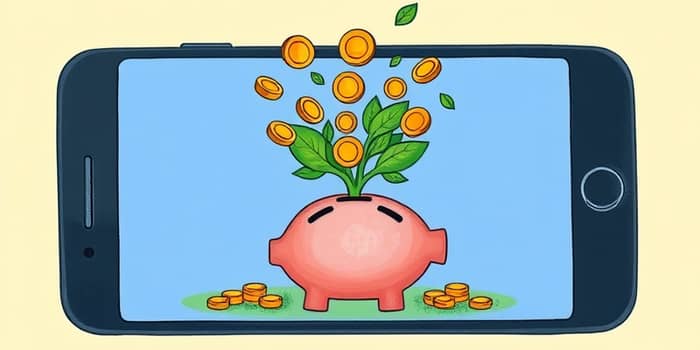
In a world where financial security often feels out of reach, micro-savings offers a lifeline that fits in the palm of your hand. By committing to tiny, regular deposits, anyone can build a resilient financial foundation without dramatic lifestyle changes. This powerful approach turns the abstract goal of saving into a simple, daily habit.
Micro-savings transforms how we think about cash. No longer is saving reserved for those with large paychecks or special strategies; instead, it becomes a universal practice. With the right tools, even a handful of coins can blossom into meaningful funds over time.
The essence of micro-savings lies in its accessibility. With modern banking apps and automated tools, individuals can set aside as little as a few cents at a time. Over weeks and months, these contributions grow into a substantial cushion that can withstand emergencies and unexpected expenses.
Definition and Core Concept of Micro-Savings
Micro-savings involves setting aside small, frequent amounts of money, often without requiring conscious effort. Users might round up card transactions to the nearest dollar, trigger automatic transfers after paydays, or deposit a fixed amount weekly. This method leverages behavioral finance principles at work to guide saving decisions.
Key mechanisms include AI-driven personalization, which suggests optimal deposit amounts based on spending habits, income flow, and upcoming obligations. For example, if a user typically spends €400 during the holiday season, the app may propose incremental transfers leading up to the next festive period, creating hyper-personalized saving goals automatically.
Another core concept is flexibility. Micro-savings programs rarely impose penalties for withdrawals or require fixed end dates. This approach nurtures confidence, as savers retain control and visibility over progress, experiencing visible progress and reminders that motivate sustained engagement.
Consider the story of Maria, a part-time barista who struggled to save beyond a few dollars. By activating a round-up feature on her daily coffee purchase, she discovered how effortlessly pennies could transform into hundreds of dollars. Over six months, she funded a weekend getaway that once seemed impossible.
Psychological and Behavioral Benefits
The human brain loves small victories. Consistent, tiny deposits translate into small wins that compound, reinforcing a sense of achievement. Over time, these successes reshape attitudes toward money and empower users to tackle larger financial challenges.
A key advantage of micro-savings is its low emotional cost. Traditional saving can feel daunting, but when the effort required drops to a negligible level, even hesitant savers engage willingly. Automated prompts and friendly reminders create an environment where saving becomes the default choice.
- Consistency and Habit Formation: Daily or weekly prompts build momentum and establish new routines.
- Accessibility: Open an account with $1; no minimum balance requirements.
- Risk Reduction: Establish emergency cushions against unexpected costs, reducing reliance on high-interest credit.
- Flexibility: Adjust contributions anytime, without lock-in periods or early withdrawal fees.
- Engagement Boost: Increased interaction with financial platforms, enhancing loyalty and satisfaction.
Savvy platforms also integrate social features, such as shared goals or friendly challenges. When friends or family join the same saving initiative, motivation spikes, and collective momentum accelerates progress towards shared objectives.
Real-World Examples and Case Studies
Across continents, micro-savings has delivered remarkable outcomes for diverse populations. Informal saving groups in Africa and formal banking initiatives in Europe and the Americas illustrate its universal appeal.
Start2Save in the United States demonstrates how matched savings can amplify impact. Participants saved up to $500, which was then matched at a 2:1 ratio, unlocking a total of $1,500. Such incentives drive rapid adoption and deepen the habit of saving.
In Indonesia, BRI Microbanking has built one of the world’s largest microsavings networks. By offering accounts with zero fees and minimal balance requirements, millions of savers—from rural farmers to urban entrepreneurs—have grown their safety nets over decades.
Products, Tools, and Implementation
Financial institutions and fintech startups offer a range of solutions designed around micro-savings principles. From simple round-up features to comprehensive platforms, each product aims to reduce friction and encourage sustained participation.
- Round-Up Apps: Round spare change from purchases into savings jars seamlessly.
- Automated Transfers: Schedule transfers after each paycheck or utility payment.
- AI Analytics: Leverage algorithms to recommend deposit amounts and timing.
- Goal Tracking: Visual dashboards highlight milestones and progress.
- Insurance Protection: FDIC-insured accounts ensure low-minimum automated deposits easily remain secure.
Some institutions pair these tools with educational content, offering bite-sized lessons on budgeting or credit management. Others provide community forums where users share tips, challenges, and success stories, creating a supportive ecosystem around saving.
Partnerships between banks, non-profits, and governments enhance reach, especially for low-income and unbanked populations. Grants and matching programs provide additional motivation and help bridge the initial gap to build consistent saving behaviors.
Challenges and Gaps
Despite its promise, micro-savings faces hurdles in scaling and sustaining engagement. Formal uptake often lags behind informal saving clubs, with dormancy rates indicating a need for ongoing support.
- Account Dormancy: 18% of formal accounts see no activity within a year.
- Resource Constraints: Many programs depend on philanthropic funding without a clear revenue model.
- Education Barriers: Lower financial literacy can hinder usage and trust.
Cultural perceptions about money also shape adoption. In communities where cash under the mattress is the norm, digital savings tools must overcome skepticism through targeted outreach and trust-building partnerships.
Broader Impacts and Future Outlook
Micro-savings is more than a financial feature; it represents a shift in how individuals interact with money. By embedding automatic, behaviorally informed nudges into daily life, networks of savers build collective resilience and reduce dependence on reactive debt solutions.
Emerging technologies such as blockchain and open banking APIs promise even greater personalization and transparency. Decentralized ledger systems could allow groups to pool micro-savings while maintaining full control, ensuring accountability and mutual benefit.
Imagine a village cooperative where residents contribute spare change into a shared digital fund. They vote on local improvements, fund communal projects, and receive dividends funded by interest income. This level of collaboration can transform communities, fostering both economic and social capital.
As global economic uncertainties persist, the power of incremental progress cannot be underestimated. Each deposit, no matter how small, moves individuals closer to their dreams—whether that means peace of mind, a family vacation, or starting a business.
Micro-savings has already transformed lives worldwide. By embracing this simple yet profound strategy, you too can harness the force of compound habits to secure a brighter financial future.
Begin today with just a few cents. Let micro-savings be the catalyst for your financial journey. With every tiny step, you reinforce a positive mindset and lay the foundation for lasting stability.
References
- https://coinscrapfinance.com/what-is-microsavings/
- https://www.fintechweekly.com/magazine/articles/hidden-power-of-micro-savings-small-habits-money
- https://dash.harvard.edu/bitstreams/e38243a5-1a59-4942-9721-36da21e2ecd0/download
- https://www.getpennies.com/ultimate-guide-micro-saving-apps/
- https://fastercapital.com/topics/case-studies-in-microfinance-success-stories.html/4
- https://www.aol.com/articles/micro-saving-boost-emergency-fund-142201934.html
- https://academic.oup.com/oxrep/article-abstract/40/1/8/7630843