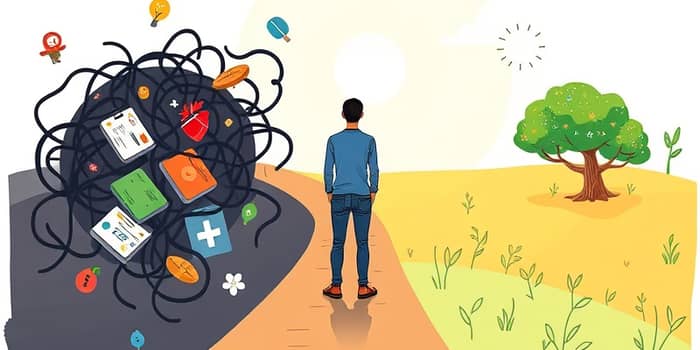
In a world where financial uncertainty looms large, the way you handle credit can define your future happiness and health.
Every swipe of a card or missed payment echoes through your life, affecting not just your wallet but your mental peace and physical vitality.
Mastering credit habits is a critical step toward unlocking a brighter, more secure tomorrow, and this guide will light your path forward.
The Foundation: Understanding Credit Scores
Your credit score is a numerical snapshot of your financial history, influencing everything from loan approvals to insurance rates.
It reflects your reliability and can determine access to housing, employment, and even healthcare opportunities.
Scores range from 300 to 850, with higher numbers opening doors to better terms and lower stress.
By understanding this metric, you empower yourself to make informed decisions that enhance your overall wellness.
- What affects your score: payment history, credit utilization, length of credit history.
- Why it matters: impacts interest rates, rental applications, and job prospects in some fields.
- How to monitor it: use free tools from credit bureaus or financial apps for regular updates.
Breaking Bad: Common Poor Credit Habits
Many people fall into traps that undermine their financial health without realizing the long-term consequences.
Carrying high balances on credit cards is a primary culprit, leading to mounting interest and debt.
Making only minimum payments can keep you in a cycle of debt, delaying your progress toward financial freedom.
Late payments damage your score significantly, and relying on multiple cards for unaffordable expenses exacerbates stress.
- Poor habits include: carrying balances, making minimum payments, using multiple cards excessively.
- Linked to: increased financial stress, lower life satisfaction, and mental health declines.
- Normalization of debt: driven by necessities like groceries and utilities, making it harder to seek help.
The Ripple Effect: How Poor Habits Impact Your Life
Bad credit habits don't just hurt your finances; they create a cascade of negative effects on your well-being.
Financial stress is a top issue, often leading to anxiety and depression that affect daily productivity and relationships.
Debt can be a major barrier to building wealth, reducing savings for emergencies or future goals like homeownership.
Health declines are common, as stress from money worries can manifest in physical symptoms and poor lifestyle choices.
- Impacts include: reduced savings, barriers to wealth accumulation, heightened health risks.
- Statistics show: over 74% of people expect to carry over credit card debt, adding to anxiety levels.
- For young adults: 16% have debt in collections, signaling struggles to make ends meet.
Turning the Tide: Benefits of Good Credit Habits
Adopting positive credit practices can transform your financial landscape and boost your overall wellness.
Paying off balances monthly avoids interest charges and builds a strong credit history over time.
Higher scores lead to better opportunities, such as lower loan rates and improved access to essential services.
Wellness programs have shown that good habits can increase credit scores by an average of over 25 points in just 15 months.
- Benefits include: debt payoff, achievement of financial goals, enhanced sense of control.
- Evidence: 28% more people pay off cards monthly after participating in financial wellness initiatives.
- Positive outcomes: reduced stress, better mental health, and increased life satisfaction.
By the Numbers: Key Statistics on Debt and Credit
Data reveals the stark reality of credit habits and their effects, especially among vulnerable groups like young adults.
Understanding these numbers can motivate change and highlight the urgency of improving your financial practices.
This table underscores the widespread challenges and the potential for positive change through focused efforts.
Your Action Plan: Strategies for Improvement
Transforming your credit habits requires practical steps and a commitment to long-term financial health.
Start by assessing your current situation: review your credit report and identify areas for improvement.
Financial literacy is a cornerstone of success; educate yourself on budgeting, saving, and debt management principles.
Mindfulness practices can help you avoid impulsive spending and make more deliberate financial decisions.
- Strategies include: creating a budget, building an emergency fund, prioritizing high-interest debt payoff.
- Tools to use: credit score trackers, apps for savings goals, financial education resources.
- Behavioral tips: practice self-control, set realistic goals, seek support from communities or advisors.
Beyond Finances: The Wellness Connection
Credit health is deeply intertwined with overall wellness, affecting both physical and mental aspects of your life.
Poor credit can predict health issues, as financial stress contributes to conditions like hypertension and insomnia.
Bidirectional links exist where health problems lead to lower scores via medical bills or job loss.
High mindfulness and acceptance correlate with better credit outcomes, reducing negative financial behaviors.
- Connections include: lower credit scores linked to higher anxiety and depression rates.
- Positive cashflow reduces delinquency risks by 20%, even with lower scores.
- Wellness extends to: improved access to opportunities, enhanced resilience to economic shocks.
Facing Challenges: Normalization and Stress
Overcoming poor credit habits is not easy, especially when debt feels normalized in society.
Many people struggle with necessities like groceries and utilities, leading to skipped payments and shame.
The pandemic has exacerbated these issues, with young adults particularly affected by job losses and rising costs.
Recognizing these challenges is the first step toward seeking help and building a supportive network.
- Challenges include: debt normalization, stress from essential expenses, barriers to seeking assistance.
- Solutions: normalize conversations about money, access community resources, practice self-compassion.
- Long-term view: focus on gradual improvement rather than perfection to sustain motivation.
As you embark on this journey, remember that small, consistent actions can lead to profound changes in your financial wellness.
Embrace the process, celebrate your progress, and let your credit habits become a source of empowerment rather than anxiety.
Your path to financial wellness starts today, with every mindful decision paving the way to a healthier, happier life.
References
- https://igradfinancialwellness.com/7-key-side-effects-of-college-financial-wellness-programs/
- https://pmc.ncbi.nlm.nih.gov/articles/PMC6187788/
- https://digitalcommons.usu.edu/cgi/viewcontent.cgi?article=1315&context=etd2023
- https://www.savvymoney.com/empowering-financial-wellness/
- https://greenwaldresearch.com/weve-normalized-credit-card-debt-and-thats-a-problem-for-financial-wellness/
- https://operationhope.org/data-impact/financial-wellness-index/
- https://www.georgetown.edu/news/this-money-habit-can-revolutionize-your-finances/
- https://pmc.ncbi.nlm.nih.gov/articles/PMC10202057/
- https://www.consumerfinance.gov/about-us/blog/credit-scores-only-tells-part-of-the-story-cashflow-data/
- https://www.voya.com/individuals/learn/why-debt-causing-stress-and-anxiety-and-how-to-cope
- https://publichealth.jhu.edu/2025/low-area-credit-scores-linked-to-higher-anxiety-and-depression
- https://newsroom.bankofamerica.com/content/newsroom/press-releases/2025/07/confronted-with-higher-living-costs--72--of-young-adults-take-ac.html
- https://www.urban.org/urban-wire/many-young-adults-have-taken-debt-it-could-jeopardize-their-financial-futures
- https://www.1stunitedcu.org/more-for-you/financial-wellness/understanding-the-importance-of-financial-wellness--building-credit