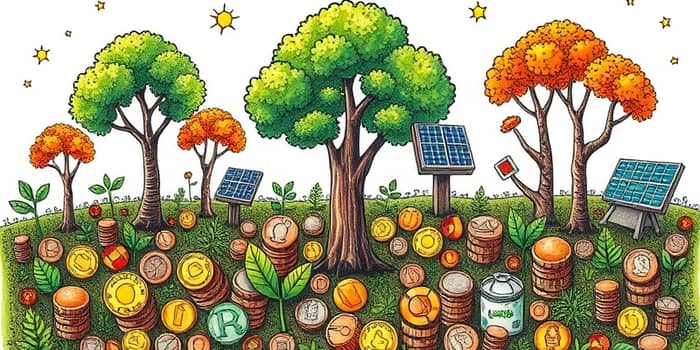
In an era of fluctuating prices and evolving financial tools, the journey toward financial resilience begins with modest, intentional actions. By embracing incremental habits, anyone can transform daily routines into powerful savings engines.
When combined with eco-conscious choices, these small steps yield compounding financial and environmental benefits that multiply over months and years. Let’s explore practical strategies for boosting savings and nurturing the planet simultaneously.
The Power of Incremental Actions
Saving often feels overwhelming when viewed as a distant goal. Instead of chasing large milestones, focus on micro-adjustments in spending and behavior. A single dollar diverted into savings each day equals $365 annually. Simple tweaks—from brewing coffee at home to negotiating a utility bill—add up remarkably.
Research shows 54% of Americans struggle to grow emergency funds amid inflation that has driven prices 26% above pre-pandemic levels. Yet, earners above $80,000 have boosted savings by 30%, compared to 12% for those earning under $40,000. This gap highlights the impact of prioritizing income growth and disciplined saving over cosmetic lifestyle changes.
Budgeting Techniques for 2026 Success
Effective budgeting provides the framework for all other strategies. By assigning every dollar a purpose, you minimize waste and ensure progress toward key objectives: an emergency fund, debt reduction, and long-term investments.
- 50/30/20 rule: Allocate 50% of income to needs, 30% to wants, and 20% to savings or debt repayment. Adjust percentages to reflect rising costs and individual goals.
- Zero-based budgeting: Track every expense and assign it a job. At month’s end, your income minus expenditures should equal zero, with surplus directed into high-yield accounts.
- AI-powered apps: Use YNAB, Copilot, or Monarch Money to categorize expenses automatically. Set alerts for overspending and enable 2FA for secure notifications.
- Subscription managers: Rocket Money and similar tools identify underutilized services. Cancel unused streaming bundles or software subscriptions to reclaim 3–5% of monthly income.
- High-yield savings accounts: Automate weekly transfers into Ally, Discover, or North American Savings Bank accounts that offer up to 4% APY.
By combining these methods in a six-step plan—track income, log expenses, set specific targets, automate contributions, review monthly, and adjust—you cultivate a budget that evolves with your needs.
Shopping Smarter: Cut Costs Without Sacrificing
Cutting expenses doesn’t require deprivation. Leverage technology and timing to slash spending on everyday purchases. The key is to spend consciously, not minimally.
- Browser extensions: Install Honey or Capital One Shopping to apply coupons automatically and compare prices in real time.
- Buy refurbished electronics and gently used items. Many certified refurbished gadgets come with warranties at 30–50% lower cost.
- Join loyalty programs and cash-back portals. Earning even 1–2% back on routine purchases adds hundreds of dollars annually.
- Negotiate service rates annually. Bundling internet, insurance, and phone plans can reduce combined bills by 10–20%.
Small shifts—like bundling errands to save fuel or buying in bulk for nonperishables—extend your dollar and free up funds for saving or investing.
Building an Emergency Fund and Long-Term Resilience
A well-stocked emergency fund serves as a financial shock absorber. Aim to accumulate three to six months’ worth of living expenses in a separate account. When unexpected costs arise, you avoid high-interest debt and maintain peace of mind.
Current data indicates that when Americans tap into their funds, 26% withdraw $1,000–$2,499, 22% pull out $500–$999, and 18% access less than $500. Automating contributions of even $25 per week can grow a fund to $1,300 in a year without conscious effort.
For retirement accounts, aim to save at least 8% of income early. With a median 401(k) balance of $38,176—far below recommended thresholds—compounding can bridge critical gaps over time.
Sustainable Practices for Dual Savings
Eco-friendly choices often align with cost savings. By reducing energy use, water waste, and disposable consumption, you simultaneously protect the planet and reduce waste and costs in your household budget.
- Switch to LED bulbs and programmable thermostats. Federal tax credits and rebates can offset initial investment by up to 30%.
- Unplug unused electronics and fix leaks promptly. Cutting standby power and water waste saves up to 15% on utility bills.
- Compost food scraps and recycle paper, plastic, and metal. Campus recycling programs have saved over 4,500 trees and 1.8 million gallons of water.
- Embrace reusable items: cloth bags, stainless bottles, bamboo utensils. Reducing single-use plastics saves both money and landfill space.
- Opt for public transit, biking, or carpooling. Combining errands and choosing an electric vehicle when possible can reduce transportation costs by 20–40%.
Every action compounds: community tree-planting initiatives and neighborhood composting projects amplify individual efforts into collective impact.
Cultivating Momentum and Mindset for Lasting Change
Adopting a saving mindset hinges on tracking progress and celebrating milestones. Visualize account balances as a living document—each dollar saved tells a story of discipline and foresight.
Acknowledge small victories: the first $100 in your emergency fund, a successful negotiation on your insurance premium, or a month of consistent meal planning. These milestones fuel motivation and reinforce habit formation.
Financial mastery is not a sprint but a lifelong journey. By weaving together budgeting frameworks, smarter shopping, emergency preparedness, sustainable habits, and a growth mindset, you build a robust safety net and foster environmental stewardship.
Start today with one tiny step—automatic transfer, an appliance swap, or a subscription review—and watch as those small actions yield profound outcomes over time. In the realm of saving, tiny seeds sown consistently grow into rich forests of security and sustainability.
References
- https://www.nasb.com/blog/detail/how-to-save-money-in-2026
- https://www.1031specialists.com/blog-posts/environmental-conservation-small-steps-big-impact
- https://www.bankrate.com/banking/savings/emergency-savings-report/
- https://www.theprosperitygroup.us/post/the-power-of-small-steps-sustainable-practices-for-a-greener-future-2
- https://dfpi.ca.gov/news/insights/6-step-financial-plan-for-2026/
- https://www.smartlifeco.com/blogs/blog/small-steps-big-change-making-sustainable-choices-in-everyday-life
- https://current.com/blog/what-financial-resolutions-should-you-be-making-for-2026/
- https://journals.sagepub.com/doi/10.1177/00139165251336617
- https://www.kiplinger.com/personal-finance/spending/things-you-need-to-stop-wasting-money-on
- https://www.barnesandnoble.com/w/small-steps-big-impact-ash-pachauri/1145619866
- https://www.youtube.com/watch?v=V6zdWh6uPco
- https://news.ua.edu/2025/11/small-steps-big-impact-students-help-drive-sustainability-on-campus/