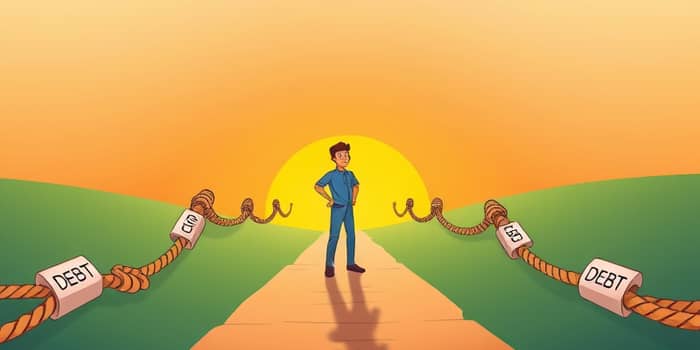
In today's fast-paced world, financial stress can feel like an insurmountable mountain, with multiple debts pulling you in different directions.
Debt consolidation offers a beacon of hope, a strategic path to simplify your finances and regain control over your economic future.
This approach doesn't erase what you owe, but it restructures it into a more manageable form, potentially saving you money and reducing stress.
Imagine turning a chaotic jumble of payments into one clear, predictable monthly obligation.
That's the essence of debt consolidation, and it can be a game-changer for anyone struggling with high-interest debts like credit cards or loans.
By understanding your options and outcomes, you can make informed decisions that lead to lasting financial health.
Understanding the Core Concept of Debt Consolidation
At its heart, debt consolidation is about combining multiple debts into a single loan or payment plan.
This process often secures a lower interest rate, which can reduce your overall costs and simplify your budgeting efforts.
For example, if you have $5,000 in credit card debt at 20% APR and $3,000 in medical bills at 16% APR, consolidating them might yield a new loan at 10% APR.
This not only lowers your monthly payment but also makes it easier to track and manage your finances over time.
It's crucial to remember that debt consolidation is not a magic solution; it requires discipline and a solid financial plan to be effective.
Exploring Your Debt Consolidation Options
There are several ways to consolidate debt, each with its own benefits and considerations.
Choosing the right option depends on your credit score, income, and personal circumstances.
- Personal loans are popular, offering fixed rates based on factors like your credit history and debt-to-income ratio.
- Debt management plans involve working with a provider to negotiate lower rates with creditors, resulting in a single payment.
- Balance transfer cards can provide 0% introductory APRs, ideal for short-term relief from high-interest credit card debt.
- Home equity loans or HELOCs use your property as collateral, often offering lower rates but with added risk.
- It's important to avoid confusing debt consolidation with debt settlement, which involves negotiating to pay less than what you owe.
Each option has pros and cons, so assessing your full financial picture is essential before proceeding.
The Advantages of Consolidating Your Debt
Debt consolidation comes with numerous benefits that can significantly improve your financial well-being.
First, it simplifies your life by reducing multiple payments to just one, making it easier to avoid missed deadlines and late fees.
This single monthly payment enhances your ability to plan and budget effectively.
Second, securing a lower interest rate can lead to substantial savings over time, especially if you're currently dealing with high APRs on credit cards.
- Simplified payments mean less mental clutter and better financial tracking.
- Lower interest rates reduce the total amount you pay in the long run.
- A fixed repayment schedule offers predictability, eliminating the uncertainty of minimum payments.
- Credit scores often improve as debt utilization drops, with many seeing increases of over 20 points.
- Fewer delinquencies are common among consolidators, leading to better credit performance.
These advantages make debt consolidation an attractive option for those looking to stabilize their finances.
Cons and Risks to Consider Carefully
While debt consolidation has many perks, it's not without its drawbacks that require careful evaluation.
One major risk is that it doesn't erase your debt; you still owe the same amount, and sometimes more initially due to fees.
There can be a short-term dip in your credit score from the hard inquiry when applying for a new loan.
- No debt erasure means the total balance remains, requiring ongoing commitment.
- Not always lower rates; if your credit is poor, you might not qualify for beneficial terms.
- Fees and longer terms can increase total interest paid over time.
- Temptation to accrue new debt is high, as freed-up credit limits might lead to overspending.
- Collateral risk exists with secured loans, where defaulting could mean losing assets like your home.
Understanding these risks helps you approach consolidation with realistic expectations and a solid plan.
Real-World Outcomes and Statistical Insights
Data shows that debt consolidation can lead to positive financial outcomes when implemented wisely.
On average, consolidators reduce their credit card balances by 58%, with many seeing drops of over 60%.
Credit performance improves, with fewer delinquencies compared to those who don't consolidate.
This table highlights how different credit tiers benefit, with prime and super-prime borrowers seeing the most sustained gains.
Long-term, initial indebtedness may rise, but repayment behavior often improves, making consolidators more attractive to lenders.
Steps to Successfully Implement Debt Consolidation
Taking action requires a methodical approach to ensure you reap the benefits without falling into common pitfalls.
Start by listing all your debts, including balances, APRs, and minimum payments, to get a clear picture of what you owe.
Then, calculate what you can afford by comparing potential new loan terms with your current obligations.
- Assess all debts and assets thoroughly to understand your financial standing.
- Contact creditors to explore hardship options before pursuing consolidation.
- Shop for loans based on your credit score and income, consulting with a financial advisor if needed.
- Use the new funds to pay off old debts immediately, avoiding any delays.
- Commit to avoiding new charges on paid-off accounts to prevent debt recurrence.
Following these steps builds a solid foundation for financial recovery and long-term success.
Navigating Myths and Making Informed Choices
Many misconceptions surround debt consolidation, such as it being a sign of financial failure or a quick fix.
In reality, it's a strategic tool for management that, when used correctly, can lead to significant improvements.
- Myth: Consolidation is only for those in dire straits; truth
- Myth: It always lowers payments; truth
- Myth: Alternatives like debt settlement are better; truth
- Myth: Poor credit disqualifies you; truth
- Myth: It solves spending habits; truth
By debunking these myths, you can approach debt consolidation with confidence and clarity, focusing on what truly matters: your financial freedom and peace of mind.
Embrace this journey as a step toward a brighter, more controlled economic future, where every payment brings you closer to your goals.
References
- https://legal-resources.uslegalforms.com/d/debt-consolidation
- https://www.cbsnews.com/news/what-is-the-success-rate-of-debt-settlement/
- https://www.bankrate.com/loans/personal-loans/how-debt-consolidation-loans-work/
- https://newsroom.transunion.com/debt-consolidation-often-results-in-higher-credit-scores-and-better-credit-performance/
- https://blog.umb.com/personal-banking-guide-how-debt-consolidation-works/
- https://www.bankrate.com/loans/personal-loans/debt-consolidation-loans-see-spike/
- https://www.equifax.com/personal/education/debt-management/articles/-/learn/what-is-debt-consolidation/
- https://ficoforums.myfico.com/t5/General-Credit-Topics/Debt-Consolidation-Success-Stories-Did-It-Boost-Your-Score/td-p/6836612
- https://www.luminate.bank/debt-consolidation-explained
- https://www.experian.com/blogs/ask-experian/pros-and-cons-of-debt-consolidation/
- https://www.oldnational.com/personal/other-loans/personal-loans/how-debt-consolidation-works/
- https://www.kazlg.com/the-pros-and-cons-of-debt-consolidation/
- https://mycreditunion.gov/manage-your-money/dealing-debt/debt-consolidation-options
- https://www.firstcitizens.com/personal/insights/debt/pros-cons-debt-consolidation
- https://www.usbank.com/loans-credit-lines/debt-consolidation.html
- https://www.peachstatefcu.org/debt-consolidation-expectations-vs-reality
- https://www.lendingtree.com/debt-consolidation/does-debt-consolidation-hurt-your-credit-score/