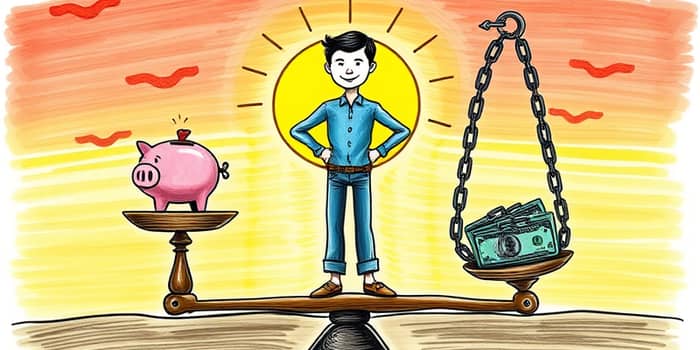
Deciding whether to build a safety net or eliminate financial burdens is one of the most impactful choices you can make. By understanding the trade-offs between saving for unexpected events and reducing high-cost liabilities, you can craft a plan that boosts both your emotional resilience and your long-term wealth.
In this article, discover clear strategies, real-world examples, and actionable steps to guide you past paralysis and into confident financial action.
Core Debate: The Foundation of Financial Stability
At the heart of this discussion lies a simple question: should you accumulate cash reserves to weather emergencies or channel every extra dollar into paying down debt? Each path offers unique benefits and risks, and the optimal approach often depends on your personal situation, temperament, and financial goals.
When you balance these options thoughtfully, you avoid costly missteps and unlock sustainable progress toward freedom.
Arguments for Prioritizing an Emergency Fund
Building an initial cushion before tackling debt can deliver powerful advantages, especially if you’re starting with zero savings and carry high-interest credit balances.
- Breaks the cycle of revolving credit by reducing the temptation to swipe cards for car repairs or medical expenses.
- Creates a habit of regular saving, reinforcing discipline and strengthening your commitment to long-term goals.
- Protects your credit score and payment history by preventing missed or late bill payments when unexpected costs arise.
- Provides peace of mind during unstable income, crucial if you’re self-employed, gig working, or facing potential job disruption.
Experts often recommend starting with a starter emergency fund of one thousand dollars. This amount can head off most minor crises, giving you clear air to focus on debt without constantly fearing the next unplanned expense.
Arguments for Prioritizing Debt Repayment
If you face credit card rates above 15 percent, aggressively attacking balances can yield guaranteed returns far exceeding typical savings yields. In many cases, this prevents hundreds of dollars in interest each quarter, freeing funds for future goals.
- Interest savings on high-APR balances often outpace what you’d earn in a savings account, making payoff a rational financial move.
- Boosts your credit utilization ratio and improves your score as you reduce outstanding balances.
- Frees up monthly cash flow once debts are eliminated, accelerating progress on other objectives like investing or education.
Even if you maintain a small buffer for emergencies, directing extra dollars toward yourinterest-draining balances can feel liberating as you watch big numbers shrink.
Hybrid “Middle Road” Approach
Most advisors agree a blended path often makes the greatest sense. With a modest starter fund in place, you can confidently channel surplus cash into high-interest debts before returning to bolster savings for longer-term security.
This framework protects you from unexpected storms while ensuring you don’t bleed money on high interest. Whenever you tap into the starter fund, pause your debt attacks to replenish it back to that initial threshold before resuming aggressive paydowns.
By alternating focus between savings and debt, you maintain both momentum and security, avoiding the pitfalls of an all-or-nothing mentality.
Personalizing Your Financial Journey
Your life circumstances and emotional outlook should guide how you customize this roadmap. Some thrive on rapid progress and feel energized by watching debts disappear, while others need the buffer of cash in hand to feel safe.
- Prioritize funds if you have no savings, face high income volatility, or carry low-interest debt under six percent.
- Attack debt first if you maintain a small buffer, enjoy stable earnings, and shoulder credit card rates above fifteen percent.
- Adjust your budget by cutting nonessentials, negotiating bills, or increasing income through side hustles to accelerate both goals.
Use automatic transfers to enforce discipline: direct a fixed amount to savings and another toward debt each payday. Regularly review your progress, celebrate milestones, and refine your plan as circumstances change.
Remember, the ultimate aim is not merely to accumulate funds or erase balances, but to build a resilient foundation that enables freedom, choice, and long-term growth.
By understanding the psychology behind your preferences and the mathematics driving your interest rates, you can craft a strategy that energizes you, safeguards your future, and leads you steadily toward financial independence.
References
- https://www.getrichslowly.org/emergency-fund-vs-debt-snowball-whats-the-top-priority/
- https://www.youtube.com/watch?v=I6zfz-2hOXE
- https://www.centier.com/resources/articles/article-details/should-i-pay-off-debt-or-save-first
- https://blog.massmutual.com/planning/why-should-creating-an-emergency-fund-be-a-top-priority
- https://www.bankrate.com/banking/savings/these-guidelines-will-help-you-decide-whether-to-pay-down-debt-or-save/
- https://www.breadfinancial.com/en/financial-education/responsible-saving/save-vs-invest-vs-pay-down-debt.html
- https://www.fidelity.com/learning-center/personal-finance/pay-down-debt-vs-invest
- https://www.suzeorman.com/blog/savings-v-paying-off-credit-card-debt-whats-the-right-move/