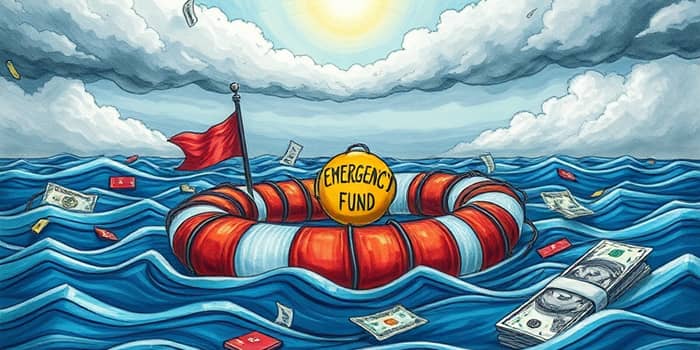
Building a reliable emergency fund is more than just saving money; it’s a powerful shield against financial turmoil. By prioritizing your safety net, you can avoid high-interest debt and remain calm when unexpected expenses arise.
Understanding the Purpose of an Emergency Fund
An emergency fund is a designated pool of money set aside to cover unexpected financial setbacks. It operates as a buffer when regular income is interrupted by job loss, illness, or urgent repairs. Rather than turning to high-cost credit, this reserve allows you to respond swiftly to emergencies.
Without this cushion, even minor shocks can trigger a cascade of debt. By maintaining liquidity, you preserve your long-term goals and protect investments from being liquidated at inopportune moments.
How Much Should You Save?
Experts typically recommend saving three to six months’ worth of living expenses. However, for those just beginning, a starter goal of $2,000 can provide critical coverage and drastically reduce financial stress.
This tiered approach lets you set milestones, track progress, and celebrate small victories on the way to full coverage.
The Debt Prevention Mechanism
When emergencies strike, it’s tempting to reach for credit cards or personal loans. Unfortunately, high-interest payments compound quickly, turning a modest repair or medical bill into a burdensome debt load.
An emergency fund breaks this cycle by offering an interest-free source of cash. You’ll avoid late fees, penalty APRs, and the stress of juggling multiple credit accounts. In turn, you preserve your credit score and prevent small setbacks from cascading into lasting debt.
Beyond Debt Prevention: Multiple Benefits
An emergency fund delivers advantages that extend well beyond avoiding credit card balances. It fosters resilience and freedom, giving you the power to make choices without fear of financial ruin.
- Stress reduction and peace of mind when life takes an unexpected turn
- Protection of long-term investments by avoiding untimely withdrawals
- Flexibility to seize opportunities like new career moves or educational pursuits
Preparing for Specific Emergency Scenarios
Emergencies come in many forms. An effective fund must be versatile enough to cover:
- Car repairs or transmission failures
- Sudden medical bills and prescriptions
- Job loss or temporary unemployment
- Natural disasters or home repairs
- Family crises—travel, lodging, or unexpected obligations
By envisioning these scenarios, you can set realistic targets and avoid being caught unprepared.
Building and Replenishing Your Fund
Establishing and maintaining your emergency reserve requires discipline and intention. Automating transfers and leveraging windfalls can accelerate progress.
- Set up automatic transfers from each paycheck into a separate savings account
- Allocate tax refunds, bonuses, or gifts towards your fund
- After using any portion, prioritize rebuilding to your target level as soon as possible
While some critics warn that cash savings may lose purchasing power due to inflation, you can mitigate this by holding funds in low-risk, short-term instruments like Treasury bills or money market accounts.
Workplace and Policy Implications
Employers and policymakers are recognizing the value of emergency savings. By offering programs that allow penalty-free withdrawals or matched contributions, companies can promote financial well-being and employee productivity.
Legislation such as the SECURE 2.0 Act now permits penalty-free withdrawals from retirement accounts for emergencies up to $1,000. Increasing this limit or providing dedicated savings benefits could further strengthen workers’ financial security.
Conclusion
By placing your emergency fund at the top of your financial priorities, you build a sturdy defense against debt and stress. This simple yet transformative strategy empowers you to weather life’s storms without sacrificing your long-term goals.
Start today: even modest contributions add up over time, turning a handful of dollars into lasting financial freedom. In uncertain times, your emergency fund will stand as a beacon of security, guiding you toward a debt-free future.
References
- https://www.pwa.org/blog-01/building-financial-resilience-vital-role-emergency-fund
- https://www.arthurstatebank.com/blog/6-big-benefits-an-emergency-fund-can-bring/
- https://www.northshorebank.com/about-us/connecting-with-you/budgeting/pros-and-cons-of-having-an-emergency-fund
- https://www.bairdwealth.com/insights/wealth-management-perspectives/2019/05/building-your-emergency-fund/
- https://corporate.vanguard.com/content/corporatesite/us/en/corp/articles/emergency-savings-may-hold-key-financial-well-being.html
- https://www.consumerfinance.gov/an-essential-guide-to-building-an-emergency-fund/
- https://www.johnsonfinancialgroup.com/resources/blogs/your-financial-life/saving-for-the-unexpected-the-benefits-of-an-emergency-fund/