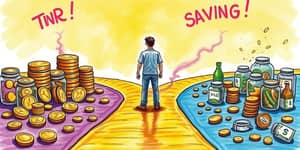
Facing overwhelming unsecured debt can feel like standing at the base of a mountain without a map. Fortunately, debt management plans offer a clear path upward—providing hope, structure, and relief for those ready to regain control of their finances.
Understanding Debt Management Plans
A debt management plan (DMP) is a tailored program administered by nonprofit credit counseling agencies. It consolidates multiple unsecured balances—like credit cards and personal loans—into one organized schedule that typically spans 3–5 years. Instead of juggling several due dates and fluctuating amounts, you make a single monthly payment to the agency, which then negotiates with creditors to lower interest rates and waive fees.
During enrollment, your counselor reviews your budget, prioritizes debts, and seeks creditor concessions on your behalf. Secured obligations such as mortgages or auto loans are not included, but the focus on unsecured balances can lead to swift progress and lasting results.
Key Benefits of DMPs
Choosing a DMP can unlock powerful advantages for financially stressed households.
- Lower interest rates and fees through creditor negotiations, meaning more of your payment goes toward principal.
- Predictable payoff timeline in years—most plans complete in four years or less, alleviating uncertainty.
- Fewer collection calls or letters as creditors direct inquiries to the managing agency.
- Improves credit score over time, with participants gaining an average of 62 points after two years.
- Reduced stress and financial preparedness: 93% of clients report less worry and 91% feel more ready for future expenses.
Considerations and Potential Drawbacks
While DMPs shine for many, they are not a one-size-fits-all solution. Before enrolling, consider:
- Coverage limited to unsecured debt; mortgages and car loans remain separate obligations.
- Monthly agency fees (often under $30) and an initial setup cost (around $50) may apply.
- Discipline required—missing even one payment can jeopardize concessions with all creditors.
- Possible short-term credit impact from closed accounts, though less severe than bankruptcy.
Who Can Benefit Most
DMPs suit individuals with stable incomes who struggle with high-interest cards and personal loans but can still afford a modest monthly payment. If you are overwhelmed by multiple invoices yet committed to a structured plan, a DMP may unlock relief without resorting to bankruptcy or risky settlements.
Data shows that participants reduced their bankruptcy filing rates by 12.5%, and those who complete plans often emerge with substantial savings over time—sometimes saving thousands in interest and fees compared to minimum payments alone.
Step-by-Step Guide to Enrolling in a DMP
- Reach out to a reputable nonprofit credit counseling agency affiliated with NFCC or AICCCA.
- Complete a comprehensive budget review with your counselor, detailing income, expenses, and debts.
- Allow the agency to negotiate with creditors for lower rates, waived fees, and account re-aging.
- Begin making one consolidated monthly payment based on your affordability assessment.
- Monitor your progress through regular check-ins and adjust the plan if your circumstances change.
- Upon completion—usually in 3–5 years—you become debt-free and poised for stronger credit health.
Comparing Your Options
Deciding between a DMP, debt settlement, bankruptcy, or DIY repayment demands a frank assessment of risks, costs, and outcomes. Below is a snapshot comparison:
Maximizing Your Success
To increase your chances of thriving under a DMP, follow these guidelines:
- Choose a reputable nonprofit agency with transparent fees accredited by national associations.
- Stay engaged—review budgets, ask questions, and attend any offered financial education sessions.
- Build an emergency fund, even modestly, to avoid missed payments and maintain momentum.
- Debunk common myths: interest reductions vary, and discipline is key; this isn’t a quick fix but a sustainable journey.
Conclusion
Embarking on a debt management plan is akin to hiring a personal trainer for your finances—guiding you through each step, providing accountability, and celebrating milestones along the way. While no solution erases challenges overnight, the structure, negotiation power, and educational support offered by DMPs can transform financial anxiety into empowerment.
With steady progress toward debt freedom, you can rebuild credit, reduce stress, and open the door to new opportunities. The mountain of debt may loom large today, but with the right plan and support, you can reach the summit—and stand tall in financial confidence.
References
- https://www.bankrate.com/personal-finance/debt/best-debt-management-programs/
- https://www.cbsnews.com/news/what-is-the-success-rate-of-debt-settlement/
- https://www.moneymanagement.org/debt-management/pros-and-cons-of-using-a-debt-management-plan
- https://getoutofdebt.org/7233/the-truth-about-the-failure-rates-and-completion-rates-of-credit-counseling-debt-settlement-and-bankruptcy
- https://www.nfcc.org/blog/five-benefits-of-a-debt-management-plan/
- https://www.greenpath.com/blog/who-benefits-from-a-debt-management-plan/
- https://www.moneymanagement.org/debt-management/debt-management-plan-savings
- https://www.ncoa.org/article/what-is-a-debt-management-plan/
- https://www.fdic.gov/media/168441
- https://www.experian.com/blogs/ask-experian/what-is-debt-management/
- https://www.stepchange.org/debt-info/what-is-a-dmp.aspx
- https://www.ideas42.org/credit-counselling-outcomes/introduction/
- https://hr.umn.edu/HR-Updates/Learn-About-Debt-Management-Plans-DMPs