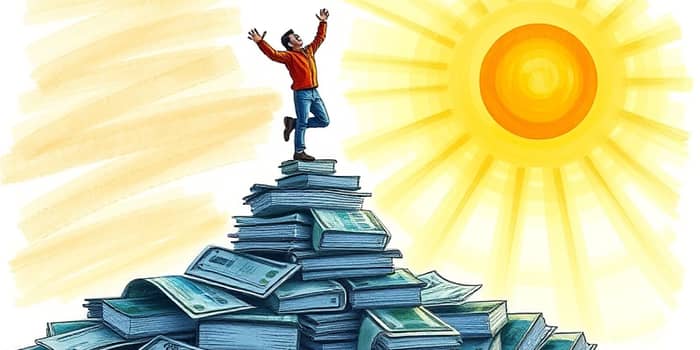
Debt can feel like a mountain blocking your horizon. Yet, each step forward brings you closer to freedom.
By combining mindsets with math-based strategies, you can forge a path to true financial independence.
Understanding the Path to Freedom
A clear vision and steady commitment are the first steps toward eliminating debt. Many get overwhelmed by balances and interest rates, but a systematic approach transforms chaos into clarity.
When you adopt a plan, you tap into the power of psychological motivation through visible progress, fueling the drive to stay on track.
Core Debt Reduction Strategies
Two of the most popular methods focus on repayment order: one aims for quick wins, the other targets cost efficiency. Choosing the right approach depends on your personality and goals.
The Snowball Method
This technique builds momentum by tackling your smallest debts first. Celebrating each payoff creates a cascade of confidence and keeps you engaged.
- List debts from smallest to largest amount.
- Make minimum payments on all debts except the smallest.
- Allocate extra funds to the smallest debt.
- Once paid off, move to the next smallest debt.
The Snowball Method provides quick wins and psychological motivation, making it ideal for those who thrive on visible milestones.
The Avalanche Method
For those prioritizing long-term savings, this method attacks debts with the highest interest rates first. Though progress may seem slower, the financial gains are substantial.
- Rank debts by interest rate, highest to lowest.
- Pay minimums on all except the highest-rate debt.
- Channel extra payments to the highest-rate balance.
- After payoff, repeat with the next highest rate.
By following the Avalanche Method, you save the most money on interest and shorten your repayment journey.
Additional Payment Strategies
Even small adjustments can make a big impact. Increasing payments or making occasional lump-sum contributions chips away at your principal balance more quickly.
- Pay more than minimum amounts whenever possible.
- Increase monthly payments as income grows.
- Use bonuses or tax refunds to make lump-sum payments.
These tactics enhance any primary repayment strategy and accelerate your progress.
Comparing Snowball and Avalanche
Choosing between these approaches hinges on balancing emotional drive with numerical efficiency. The following table highlights key aspects of each:
Supporting Debt Management Tactics
Beyond repayment order, refining your budget and leveraging financial tools can magnify your efforts. A transparent spending plan frees up resources to redirect toward debt.
Implement the 50-30-20 rule, allocating half of your income to essentials, 30% to discretionary items, and 20% to savings or debt. Cutting nonessential expenses unlocks more funds for repayments.
Balance transfers and debt consolidation can also reduce interest burdens. Moving high-rate balances to a low-rate card or combining multiple obligations into a single, fixed-rate loan simplifies payments and often lowers costs.
Professional Support and Settlement Insights
When debt feels overwhelming, consider when debt feels overwhelming and seek guidance. Credit counseling agencies tailor manageable plans and may negotiate lower rates on your behalf.
Debt settlement companies report that 74% of participants settle at least one account within 36 months, with an average savings of 30-50% off the full balance. However, negotiating settlements can affect credit scores and carries no guarantees.
Always weigh the potential benefits against risks, and choose accredited professionals for the best outcomes.
Key Success Factors and Mindset Shifts
Debt payoff is as much a mental journey as a financial one. Establish clear, patient goals, knowing that patience is critical for long-term success. Celebrate progress but remain vigilant against setbacks.
Avoid accruing new debt by curbing impulsive spending and focusing on essentials. Each time you resist unnecessary purchases, you strengthen your financial discipline.
Timing matters too. Early intervention—contacting creditors within 30 days of missed payments—increases the chance of favorable resolutions. Consistency and perseverance differentiate those who succeed from those who struggle.
Embracing a Debt-Free Future
Paying off debt transforms your relationship with money, shifting stress into empowerment. With each balance cleared, you reclaim freedom to save, invest, and pursue your dreams.
Adopt the strategies that resonate with your personality and goals. Combine systematic repayment methods with practical budgeting, professional support, and a resilient mindset.
Remember, the road to a debt-free life is a marathon, not a sprint. By taking intentional steps and staying committed, you will emerge stronger, wiser, and ready to build lasting prosperity.
References
- https://www.consumerfinance.gov/about-us/blog/how-reduce-your-debt/
- https://www.cbsnews.com/news/what-is-the-success-rate-of-debt-settlement/
- https://dfpi.ca.gov/news/insights/three-steps-to-managing-and-getting-out-of-debt/
- https://valexfcu.org/mastering-debt-management-strategies-stay-top
- https://www.citizensbank.com/learning/what-is-the-debt-snowball-pay-down-method.aspx
- https://extension.wvu.edu/youth-family/finances/blog/2025/04/01/smart-strategies-for-effective-debt-management
- https://employeeinfo.dev2.navyfederal.org/content/nfo/en/home/makingcents/credit-debt/debt-repayment-strategies.html
- https://www.amerantbank.com/ofinterest/debt-management-strategies-for-financial-freedom-2025/
- https://www.equifax.com/personal/education/debt-management/articles/-/learn/paying-off-debt-strategies/
- https://peregrin.com/2024/09/09/data-analytics-the-secret-sauce-to-improving-debt-management/
- https://www.getsmarteraboutmoney.ca/learning-path/managing-debt/strategies-to-pay-down-debt/
- https://8020consulting.com/blog/debt-management-strategies-for-a-high-interest-rate-world
- https://consumer.ftc.gov/articles/how-get-out-debt
- https://www.militaryonesource.mil/resources/millife-guides/paying-off-debt/
- https://cccsonline.org/debt-management-in-times-of-inflation-strategies-for-success/
- https://www.wellsfargo.com/goals-credit/smarter-credit/manage-your-debt/snowball-vs-avalanche-paydown/