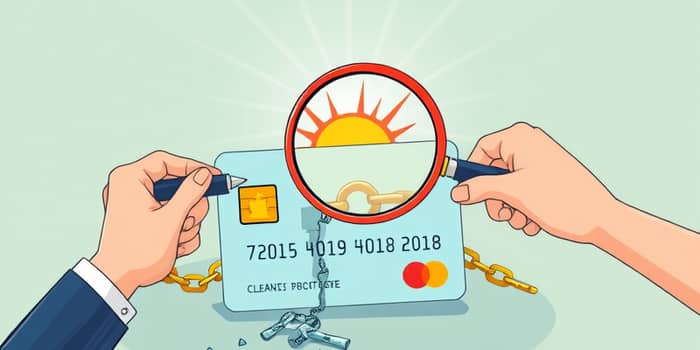
In an era where financial dreams can be shattered by a low credit score, the allure of credit repair clinics offers a glimmer of hope to millions drowning in debt.
With U.S. consumer debt hitting a staggering $17.86 trillion in June 2025, the pressure to fix credit has never been more intense, making it crucial to navigate this industry with eyes wide open.
This article uncovers the truths and exposes the fictions, empowering you to make informed decisions that can transform your financial future.
The journey begins by understanding the scale and dynamics of an industry built on promises of better credit.
The Landscape of Credit Repair in America
The U.S. credit repair industry is a complex ecosystem with approximately 43,810 businesses as of 2025, reflecting both opportunity and caution for consumers.
Market revenue reached $6.6 billion in 2023, and it is projected to grow significantly, driven by high debt levels and consumer awareness.
Despite this growth, the industry faces challenges, including a decline in businesses and varying growth rates that hint at underlying instability.
- New entrants average 1,200 per year from 2022 to 2024, showing ongoing interest.
- North America holds 40% of global revenue, underscoring its dominance.
- Total consumer debt continues to rise, fueling demand for repair services.
This booming market is not just about numbers; it's about real people seeking a way out of financial distress.
Who Seeks Credit Repair and Why
Clients are primarily aged 25-44 years, with millennials and Gen Z making up a significant portion of the market.
Most have fair to poor credit scores, often below 660, which correlates with lower incomes and urban living.
Black and Hispanic consumers file more disputes, highlighting disparities in credit access and economic challenges.
- 40% of clients are aged 35-44, facing mid-life financial pressures.
- 25% are aged 25-34, navigating early adulthood with thin credit histories.
- 70% reside in urban or metropolitan areas, where cost of living is high.
Understanding these demographics helps reveal the human stories behind the statistics.
Types of Services and How They Operate
Credit repair clinics offer a variety of services, from basic dispute handling to comprehensive financial education.
Business models have evolved, with subscription plans and digital integration becoming increasingly popular.
- Dispute-only services hold 40% market share, focusing on correcting errors.
- Credit counseling and integration account for 25%, offering broader financial advice.
- Score improvement and monitoring make up 20%, helping clients track progress.
- Identity theft protection comprises 10%, addressing growing security concerns.
Subscription models are used by over 60% of firms, with hybrid DIY and expert options gaining traction.
AI and analytics integration is growing at 30% annually, enhancing service efficiency and personalization.
Measuring Success and Customer Satisfaction
Success in credit repair is often measured by score improvements, but outcomes vary widely among clients.
Customer satisfaction rates show that 67% rate their experiences as good or excellent, though complaints exist.
Average FICO scores rose 14 points from 2018 to 2023, but this doesn't tell the whole story.
- 12% of consumers view practices as shady or borderline illegal, eroding trust.
- 25.8% feel over-retained by services, indicating potential exploitation.
- 55.2% report agreed billing, suggesting some transparency in pricing.
It's essential to look beyond claims and focus on verifiable results and ethical standards.
The Risks and Unethical Practices to Watch For
Scrutiny has increased due to unethical behavior, deceptive marketing, and scams that prey on vulnerable consumers.
Regulations like the Credit Repair Organizations Act aim to protect consumers, but enforcement can be lax.
FTC actions, such as the 1997 Clear Your Credit case, highlight false claims of 83% success rates that mirror clinic tactics.
- Complaints to the CFPB in 2022 totaled 2,600, with 82% actionable, often involving fraud.
- Post-COVID, digital shifts have altered dynamics, emphasizing the need for transparency.
- Low-income consumers may lack funds for services, creating access barriers.
Awareness of these risks is the first step toward avoiding pitfalls and finding legitimate help.
How to Choose a Reputable Credit Repair Service
Selecting a trustworthy service requires research, understanding of pricing, and a focus on education over guarantees.
Legitimate companies emphasize disputing errors and providing financial literacy, not making unrealistic promises.
Here is a table comparing top firms to guide your decision:
Note that some services are not available in all states, and it's vital to check local regulations and reviews.
Debunking Common Myths with Facts
Separating fact from fiction is key to navigating credit repair without falling for scams.
- Fact: Legitimate services dispute errors and offer education; they cannot remove accurate information or guarantee score increases.
- Fiction: Some clinics promise rapid fixes with exaggerated success rates, but everything is DIY-able via free annual credit reports.
- Growth is driven by high debt and rates, yet rising complaints highlight ethical gaps that consumers must beware of.
Internationally, cross-border services make up 10% of the market, with Latin America and the Caribbean holding 8% globally.
Limitations include conflicting growth projections and data gaps, reminding us to approach with caution.
Empowering Yourself for Financial Freedom
Taking control of your credit starts with knowledge, patience, and a commitment to ethical practices.
Use free resources like annual credit reports and educational tools to build your financial literacy.
If you choose a service, prioritize those with transparent pricing and a focus on long-term improvement.
- Monitor your credit regularly to catch errors early.
- Set realistic goals and celebrate small victories in score increases.
- Advocate for stronger regulations to protect all consumers from exploitation.
Remember, credit repair is a journey, not a quick fix, and with the right approach, you can achieve lasting financial health.
By separating fact from fiction, you can navigate this industry with confidence and reclaim your financial future.
References
- https://coinlaw.io/credit-repair-industry-statistics/
- https://www.cognitivemarketresearch.com/credit-repair-services-market-report
- https://www.consumeraffairs.com/finance/credit-repair-statistics.html
- https://money.com/best-credit-repair-companies/
- https://www.ibisworld.com/united-states/industry/credit-repair-services/5741/
- https://www.ftc.gov/news-events/news/press-releases/1997/03/ftc-settles-contempt-action-against-clear-your-credit-inc-banning-company-credit-repair-business
- https://www.researchandmarkets.com/report/credit-repair-services
- https://ecommercefastlane.com/how-credit-repair-companies-play-a-crucial-role-in-business-success/
- https://www.360iresearch.com/library/intelligence/credit-repair-services