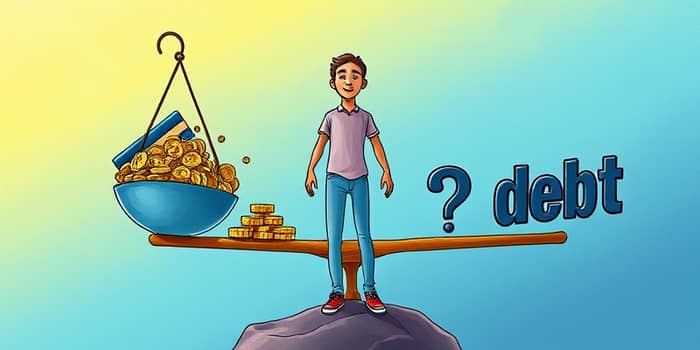
Managing credit cards can feel like walking a tightrope between earning perks and avoiding financial pitfalls. This guide will help you strike the perfect balance.
Why Rewards Matter
In today’s economy, credit card rewards can translate into significant savings, memorable travel experiences, and everyday conveniences. By choosing the right cards and spending strategically, you can maximize your earning potential without derailing your overall financial goals.
Top-Tier Premium Cards
For frequent travelers and big spenders, premium cards offer high-value bonuses and exclusive perks. While these cards carry higher fees, they often pay for themselves through credits and benefits.
- Capital One Venture X Rewards Credit Card: 100,000 bonus miles after $10,000 spend in six months; $395 annual fee; $300 yearly travel credit; straightforward rewards with lounge access.
- Chase Sapphire Preferred® Card: 75,000 bonus points after $5,000 spend in three months; $95 annual fee; versatile travel redemptions.
- American Express Platinum Card®: Up to 175,000 bonus points after $8,000 spend in six months; $895 annual fee; premium airport lounge access and elite status credits.
No-Annual-Fee Options
If you prefer to avoid fees, there are robust options that still deliver solid returns on everyday spending.
- Prime Visa: $250 Amazon gift card upon approval (Prime membership required); zero annual fee for members; 5% back at Amazon, Whole Foods, and Fresh; no foreign transaction fees.
- Chase Freedom Flex®: $200 bonus after $500 spend in three months; 5% cash back on rotating categories (up to $1,500 quarterly); 3% at restaurants and drugstores; 1% on other purchases.
- Discover it® Cash Back: Matches all cash back in first year, Discover’s unlimited cashback match; 5% on rotating categories (up to $1,500 quarterly); 1% on all other purchases.
Store-Specific Rewards
When you shop frequently at certain retailers, store cards can deliver targeted savings and promotional financing.
- MyLowe's Rewards Credit Card: 5% off on Lowe’s purchases or promotional financing options.
- Sam’s Club Card: 5% back on gas (first $6,000 annually); 3% at Sam’s Club and on dining.
- Kroger Card: 5% back on Kroger Pay purchases (up to $3,000 annually); 2% at Kroger-owned stores.
Crafting a Strategic Rewards Plan
An effective rewards strategy starts with knowing your spending patterns. Map out monthly budgets for groceries, dining, travel, and gas to determine which cards align with your needs.
Activate rotating categories promptly and funnel large travel purchases through portals that boost earning rates. Remember to factor in annual fees versus credits to ensure net positive returns.
Assessing and Reducing Debt
Debt can negate the value of rewards if left unmanaged. Begin with a comprehensive debt inventory with rates, listing balances, APRs, and minimum payments for every card.
With this snapshot in hand, choose a repayment strategy that suits both your financial situation and mindset.
Repayment Strategies Explained
The Snowball Method focuses on quick victories by clearing the smallest debts first. This approach harnesses the psychological benefit of quick wins to sustain momentum. Once a balance is gone, redirect its payment toward the next smallest account.
The Avalanche Method directs extra funds toward the highest-interest debts, saving the most on interest over time. Continue minimum payments on other cards until the top-APR balance is extinguished, then proceed to the next.
Balance transfers and personal loans can offer 0% introductory balance transfer rates, consolidating multiple debts into a single, lower-cost payment. Always calculate fees against interest savings before proceeding.
Budgeting and Payment Discipline
Effective budgeting is the backbone of debt reduction and rewards optimization. Consider a modified 50/20/30 model—allocating 50% of income to needs, 20% to debts and savings, and 30% to wants. Shift extra funds toward debts whenever possible.
Set up streamlined automatic payment setup to avoid missed payments and late fees. Pair these with calendar reminders as a failsafe. If you encounter hardship, reach out to creditors early to discuss hardship plans or modified terms.
Maintaining Long-Term Financial Health
Once debts are under control, pivot to reward maximization without reverting to unhealthy spending. Use debit or cash for discretionary purchases to ensure you live within your means and avoid accumulating new balances.
Regularly review your card lineup. Cancel underused accounts to reduce temptation, and seek new offers that align with evolving spending habits. By balancing disciplined repayment with strategic rewards use, you’ll build both savings and strong credit over time.
Conclusion
Mastering the dual challenge of maximizing rewards while minimizing debt is within your reach. With deliberate card selection, disciplined budgeting, and targeted repayment strategies, you can turn credit cards into powerful financial allies rather than liabilities.
Embrace the journey, celebrate each milestone, and watch as your financial confidence soars.
References
- https://thepointsguy.com/credit-cards/stephanie-stevens-best-rewards-credit-cards-nov25/
- https://www.texasbaycu.org/articles/budgeting-for-managing-credit-card-debt
- https://www.creditkarma.com/credit-cards/rewards-cards
- https://www.umcu.org/learn/resources/blogs/how-to-pay-off-credit-card-debt
- https://www.creditcards.com/rewards-cards/
- https://www.bairdwealth.com/insights/wealth-management-perspectives/2022/08/5-strategies-for-paying-off-credit-card-debt/
- https://www.nerdwallet.com/credit-cards/learn/best-store-credit-cards
- https://www.ncoa.org/article/getting-help-with-credit-card-debt-5-things-older-adults-should-know/
- https://www.youtube.com/watch?v=IiK5CbSdGSA
- https://consumer.ftc.gov/articles/how-get-out-debt
- https://www.aba.com/advocacy/community-programs/consumer-resources/manage-your-money/reduce-credit-card-debt-without-a-debt-settlement-company
- https://www.phoenix.edu/blog/managing-credit-card-debt-and-fostering-good-credit-habits.html
- https://employeeinfo.dev2.navyfederal.org/content/nfo/en/home/makingcents/credit-debt/understanding-credit-card-debt.html
- https://dfpi.ca.gov/news/insights/three-steps-to-managing-and-getting-out-of-debt/