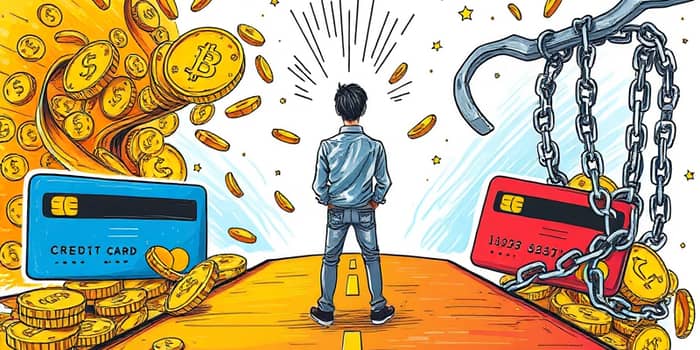
In 2026, consumers chase an average rewards rate of 2% cash back on everyday spending, yet credit card APRs can soar up to 35.99% variable interest. Balancing these opportunities requires both strategy and discipline. This guide reveals how to harness rewards without falling into costly debt traps, equipping you with actionable steps to transform your plastic into power.
Understanding Rewards Cards
Not all credit cards are created equal. Before you apply, it’s critical to identify the type of card that aligns with your spending and credit profile. From entry-level secured cards to premium travel options, each category offers unique benefits and trade-offs.
- Cash Back Cards: Ideal for steady everyday spending, offering flat-rate or tiered bonus categories.
- Points & Miles Cards: Best for travelers seeking elevated redemption value on flights, hotels, and experiences.
- Secured Cards: Designed for building or rebuilding credit, requiring a deposit but unlocking rewards up to 10% on select purchases.
Evaluate introductory offers—many cards provide a 0% APR period for 12–15 months and bonus rewards after meeting a minimum spend. Also consider annual fees versus net rewards: a $95 fee can be worth it if you unlock significantly higher earnings.
Maximizing Your Rewards
Once you’ve selected the right cards, adopt these tactics to amplify your earnings without overspending.
- Activate Category Bonuses: Enroll in quarterly or rotating categories to earn up to 5x–10x points or miles on groceries, dining, or gas.
- Combine Cards Strategically: Use a flat-rate card for everyday purchases and a specialty card for travel or dining.
- Redeem for Maximum Value: Always compare cash back versus travel redemption; a mile may be worth 1.5–2 cents when booked through a partner airline.
- Monitor Sign-Up Offers: Chase one robust bonus at a time, then shift to another card once you’ve met the spend requirement.
Keep track of enrollment deadlines and redemption deadlines to ensure you never miss an opportunity to maximize your haul.
Minimizing Debt Risks
With great rewards come great responsibility. Carrying a balance at APRs above 25% interest can nullify any gains. Your goal should always be to pay off your statement in full each month.
Watch your credit utilization—keep it under 50% of your available limit, ideally below 30%. High utilization not only increases interest costs but also harms your credit score, potentially raising future APRs.
Beware of minimum payments: paying only the minimum can trap you in debt for years. Instead, strive to settle your balance entirely or accelerate payments using one of the strategies below.
Debt Repayment Strategies
Having multiple cards with varying APRs calls for a systematic approach. Select the plan that matches your psychology and financial goals.
- Debt Snowball Method: Focus on the smallest balance first to build momentum, then roll that payment into the next smallest balance.
- Debt Avalanche Method: Target the highest-interest account first to minimize interest paid over time.
- Balance Transfers: Move balances to a 0% APR card with a 12–15 month intro period, ensuring the transfer fee is lower than avoided interest.
- Consolidation Loans: Combine multiple high-interest cards into a single installment loan at a lower fixed rate.
For significant debt loads, professional help such as credit counseling, a debt management plan, or even a consumer proposal may provide structured relief and creditor negotiation.
Best Practices and Tools
Equipping yourself with the right tools and habits is essential for long-term success. Begin each month by reviewing your budget and upcoming expenses. Use apps to track category bonuses, payment due dates, and redemption opportunities.
Automate payments to avoid late fees and interest hikes. If possible, set up auto-pay for the full statement balance. Regularly review your credit reports—any unexpected inquiry or change could signal fraud or an opportunity to negotiate better terms.
Case Study: Top Rewards Cards for 2026
Below is a snapshot of top-performing cards, ranked by rewards, fees, and introductory terms. Choose the card that aligns with your spending and payoff strategy.
Conclusion
Mastering credit card rewards while avoiding the debt trap is a powerful life skill. By selecting cards that match your spending habits, staying disciplined about payments, and employing a targeted payoff strategy, you can enjoy the perks of cash back, points, and miles without sacrificing financial stability.
Remember, the most lucrative rewards expire if you carry a balance. Commit to paying in full each month, monitor utilization, and revisit your card lineup annually to ensure you’re still on track. With consistent habits and informed choices, you’ll transform your credit cards from potential pitfalls into tools for long-term wealth and freedom.
References
- https://www.experian.com/credit-cards/best-rewards/
- https://www.cibc.com/en/personal-banking/credit-cards/articles/pay-credit-card-debt.html
- https://thepointsguy.com/credit-cards/best/
- https://mnpdebt.ca/en/resources/mnp-debt-blog/everything-you-should-know-about-your-credit-card-debt-3-minute-debt-break
- https://www.creditkarma.com/credit-cards/rewards-cards
- https://debtfree.ca/how-to-deal-with-overwhelming-credit-card-debt/
- https://www.youtube.com/watch?v=lLPDwmg4_Gg
- https://www.getsmarteraboutmoney.ca/learning-path/managing-debt/strategies-to-pay-down-debt/
- https://www.bankrate.com/credit-cards/rewards/best-no-annual-fee-cards/
- https://www.rbcroyalbank.com/en-ca/my-money-matters/debt-and-stress-relief/struggling-to-make-ends-meet/managing-and-consolidating-debt/how-to-pay-off-debt-faster/
- https://www.creditcards.com/rewards-cards/
- https://www.canada.ca/en/financial-consumer-agency/services/debt.html
- https://www.pfcu.com/resources/education/moneyline-blog/february-2026/credit-cards-rewards-guide-2026
- https://www.scotiabank.com/ca/en/personal/advice-plus/get-started/get-out-of-debt.html
- https://nomoredebts.org/blog/credit-cards/how-pay-off-credit-cards-quickly