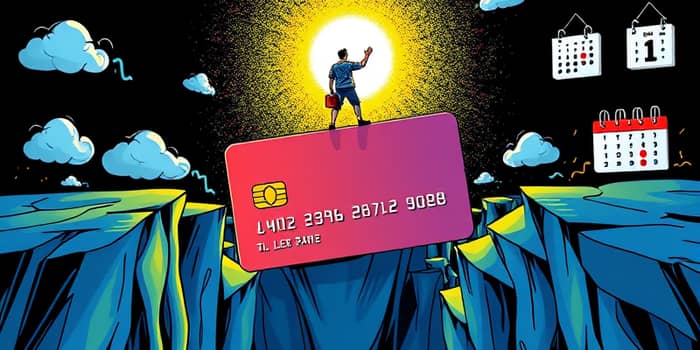
Credit card balance transfers can feel like a financial lifeline when high-interest charges loom. By moving debt to a card offering a 0% introductory APR, you gain breathing room and can focus on reducing what you owe. Yet this strategy carries hidden costs and requires strict discipline. In this article, we explore how balance transfers work, weigh the pros and cons, and offer practical steps and inspiration to help you achieve lasting financial freedom.
Understanding Balance Transfers
A balance transfer involves moving existing credit card debt—often spread across multiple cards—to a new card that advertises a low or 0% promotional APR. Typically, this rate lasts between six and twenty-one months. During that time, every payment you make goes directly toward reducing the principal balance.
Most issuers charge a fee equal to 3–5% of the transferred amount, due upfront and added to the new balance. Your transfer eligibility depends on having good to excellent credit scores and sufficient available credit. Once the introductory period ends, the remaining balance reverts to the standard APR, which could surpass your original rates.
The Benefits: Saving Time and Money
When used strategically, balance transfers can accelerate your debt repayment and slash interest costs. Key advantages include:
- Lower interest rates on large balances keep more of your payment focused on principal.
- Debt consolidation for one monthly bill simplifies your financial life.
- Faster payoff by targeting principal during the promo window.
- New card perks like rewards or cash back add extra value.
- Potential credit score boost from lower utilization when managed well.
The Drawbacks: Temporary Relief and Risks
Balance transfers are not magic. They come with pitfalls that can derail your progress if you lack discipline or a clear plan:
- Transfer fees up to 5% of the amount can offset your interest savings.
- Promotional period ends unexpectedly and high APRs return.
- Temptation to rack up new charges on old or new cards.
- Hard credit inquiries and high utilization may ding your score.
- Not suitable for those without a strict budget and repayment timeline.
Is a Balance Transfer Right for You?
If you carry a balance of at least $1,000 on high-rate cards and can realistically eliminate it within the promotional period, a transfer may pay off. Before you apply, calculate your breakeven point: the amount of interest saved must exceed the transfer fee.
Start by dividing your total debt by the number of interest-free months to determine your required monthly payment. For example, transferring $5,000 with a 12-month promo means paying at least $417 per month. Increase that by 10–15% as a buffer to fully pay off your balance and avoid post-promo APRs.
On the other hand, if you struggle to stick to a budget, risk spending more, or cannot secure a high enough credit limit to cover your balances, skip the transfer. Instead, consider personal loans or nonprofit credit counseling for longer-term solutions.
Tips for a Successful Balance Transfer Strategy
- Set an aggressive payoff schedule and automate monthly payments.
- Track every dollar with automated alerts to avoid overspending.
- Maximize your 0% promotional window by avoiding new purchases.
- Calculate breakeven to maximize savings before committing.
- Manage debt with disciplined budgeting and honest reflection.
Building Long-Term Financial Freedom
Balance transfers can be a powerful short-term tool when wielded with intention and care. Yet true financial freedom comes from habits cultivated over time: saving regularly, spending wisely, and staying focused on your goals.
Even after your transferred debt disappears, continue embrace small steps toward lasting freedom, such as building an emergency fund, automating savings, and avoiding high-rate borrowing. By combining the tactical advantages of a balance transfer with these enduring practices, you’ll not only escape your current debt but also strengthen your financial future.
In the end, a balance transfer is not a cure-all—it’s a stepping stone. Use it to gain momentum, then carry that momentum forward. With discipline, planning, and a commitment to smart money habits, you can transform a short-term strategy into a lifetime of stability and growth.
References
- https://www.bankrate.com/credit-cards/balance-transfer/balance-transfer-pros-and-cons/
- https://thepointsguy.com/credit-cards/pros-cons-balance-transfer-credit-cards/
- https://www.nerdwallet.com/credit-cards/learn/balance-transfers-benefits-drawbacks-alternatives
- https://www.creditkarma.com/credit-cards/i/balance-transfer-pros-cons
- https://www.myfico.com/credit-education/blog/balance-transfer-pros-cons
- https://www.equifax.com/personal/education/credit-cards/articles/-/learn/balance-transfer-credit-card/
- https://www.communityfirstfl.org/resources/blog/what-is-a-balance-transfer-and-how-does-it-work
- https://www.experian.com/blogs/ask-experian/pros-cons-balance-transfer-credit-cards/
- https://www.paymentsjournal.com/navigating-the-risks-and-rewards-of-credit-card-balance-transfers/
- https://www.nerdwallet.com/credit-cards/learn/what-is-a-balance-transfer
- https://www.chase.com/personal/credit-cards/education/credit-score/how-does-balance-transfer-affect-credit-score
- https://www.discover.com/credit-cards/card-smarts/balance-transfers-good-idea-or-not-worth-it/
- https://www.ourcuonline.org/blogs?blog_id=297