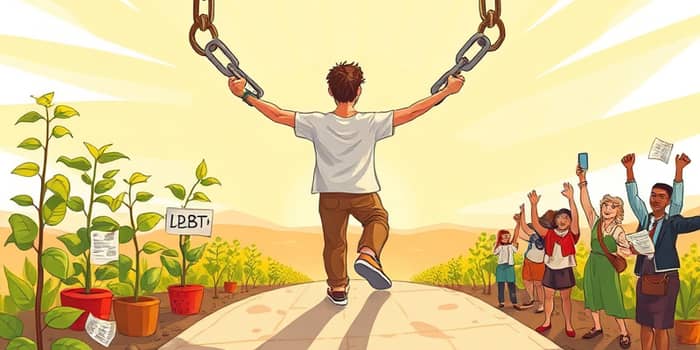
For millions, debt isn’t just a number—it’s a barrier to dreams. This guide unpacks the relentless cycle, offers strategies to escape it, and charts a path toward true financial empowerment.
Understanding the Relentless Debt Cycle
The debt cycle is a self-perpetuating financial trap where expenses outpace income, forcing reliance on credit. Each loan, credit card swipe, or unpaid bill adds another link in the chain, making freedom feel ever more distant.
Multiple factors converge to fuel this loop:
- Income-related triggers: job loss, reduced hours, or overspending from unrealistic earnings expectations.
- Unexpected financial shocks: medical emergencies, auto repairs, urgent home fixes.
- Behavioral and structural pressures: minimum payments cover only interest, repeated borrowing, and high interest rates compounding balances.
The Psychological and Economic Toll
Debt’s impact extends beyond bank statements. Financial strain erodes mental health, spawning stress, anxiety, and a feeling of defeat. Many experience sleepless nights and decreased productivity as worries about payments mount.
On a broader scale, collective debt burdens dampen local economies and national growth:
As household income shifts from spending to debt service, businesses face reduced demand. Rising defaults increase lending costs, creating a cycle that can stifle recovery for years.
Proven Strategies to Escape Debt
Escaping debt requires more than hope—it demands targeted action. Here are five strategies to accelerate your journey:
- Pay more than minimum payments: Even a small extra amount each month chips away at principal, saving hundreds in interest.
- Prioritize high-interest debts first with the avalanche method: pay minimums on all debts, then allocate extra funds to the debt with the highest rate.
- Build momentum with the snowball method: focus on the smallest balances first for swift, tangible financial victories, then roll freed funds into larger debts.
- Balance transfers: move credit card balances to a low-interest card to reduce monthly interest charges during the transfer period.
- Debt consolidation: combine multiple debts into a single loan at a lower rate, creating a clear payoff schedule and manageable payment.
Choosing between avalanche and snowball depends on your personality. Avalanche saves more interest long-term, while snowball offers quick wins that boost motivation.
Practical Steps to Break Free
Strategies only work when backed by consistent action. Follow these steps:
- Stop incurring new debt: maintain a realistic budget, limit credit use to 20% of your limit, and pay off charges monthly.
- Assess your debt situation: list every balance, interest rate, and due date to gain full visibility.
- Explore repayment strategies: choose avalanche, snowball, consolidation, or balance transfers based on your goals.
- Negotiate with creditors: request lower rates, waived fees, or extended terms—many lenders prefer structured repayment over defaults.
- Consider credit counseling: certified counselors craft budgets, negotiate with lenders, and support your long-term plan.
- Know your rights: understand consumer protection laws and debt collection regulations to guard against unfair practices.
Following these steps consistently will build momentum and keep you accountable. Record progress each month and adjust as needed to stay on track.
Building Lasting Financial Health
True financial resilience comes from prevention as much as correction. Cultivate habits that guard against future debt woes:
Create an emergency fund: aim for three to six months of living expenses. This reserve turns unexpected costs into manageable bumps, not debt triggers.
Maintain a clear budget: track income and expenses in real time. When every dollar has a purpose, you avoid overspending and ensure progress toward goals.
Set specific financial objectives: whether saving for a home, funding education, or building retirement, defined targets keep you motivated and focused.
Schedule regular reviews: quarterly check-ins help you spot slipping habits and adjust budgets before debts resurface.
Enlist support: share goals with a trusted friend, family member, or financial coach. External accountability strengthens your commitment and provides encouragement.
Common Pitfalls and How to Avoid Them
Awareness of missteps can keep you on course:
- Relying solely on minimum payments, which perpetuate a growing balance.
- Taking on new loans to pay old ones, deepening the cycle.
- Neglecting negotiation—creditors often prefer a structured plan to default.
- Skipping emergency savings, leaving you vulnerable to Surprise costs.
Embracing a Debt-Free Future
Breaking free from debt is an act of courage and discipline. Every extra dollar you apply, every negotiation you undertake, brings you closer to financial liberation.
As you progress, celebrate each milestone. Small victories build confidence, fueling the drive to tackle the next challenge. Over time, these wins compound into lasting freedom.
Remember, escaping the debt cycle isn’t just about numbers—it’s about reclaiming control of your life, reducing stress, and opening doors to opportunities once overshadowed by financial worry.
By combining strategic repayment, disciplined budgeting, and forward-looking planning, you’ll lay the foundation for lasting financial health. Step by step, decision by decision, you can transform burden into balance and strain into security.
Your journey toward financial freedom starts today. Embrace the process, leverage available resources, and trust in your ability to build a brighter future free from the chains of debt.
References
- https://guardianlit.com/the-debt-cycle-heres-how-to-break-it/
- https://www.navyfederal.org/makingcents/credit-debt/debt-repayment-strategies.html
- https://www.brookings.edu/articles/navigating-the-long-shadow-of-high-household-debt/
- https://www.ameriprise.com/financial-goals-priorities/personal-finance/effective-debt-management
- https://www.moneyfit.org/psychology-of-credit-card-debt/
- https://www.consumerfinance.gov/about-us/blog/how-reduce-your-debt/
- https://dfpi.ca.gov/news/insights/three-steps-to-managing-and-getting-out-of-debt/
- https://www.consumercredit.com/blog/how-does-debt-impact-our-lives/
- https://dfi.wa.gov/financial-education/dealing-debt
- https://www.nerdwallet.com/finance/learn/pay-off-debt
- https://www.experian.com/blogs/ask-experian/what-is-debt-cycle/
- https://consumer.ftc.gov/articles/how-get-out-debt
- https://www.sunnydayfund.com/blog/breaking-the-debt-cycle-empowering-employees-with-healthier-financial-choices
- https://www.equifax.com/personal/education/debt-management/
- https://www.aspeninstitute.org/publications/consumer-debt-primer/
- https://dfi.wi.gov/Pages/ConsumerServices/WisconsinConsumerAct/DealingWithDebtProblems.aspx